The Artistic Project
Resources
La Bande Passante is a company founded in 2007 and based in Metz. It develops its artistic vision around the reinvention of documentary creation, crossing disciplines to bring forth intimate and sensitive narratives. Today, it brings together an artistic and technical team of about fifteen people united by a shared creative gesture: crafting stories from reality — objects, archives, images, and testimonies — by inventing a bespoke form for each project. Each creation is a delicate weaving of collected materials and scenic, graphic, or sound designs, reimagined with every encounter.
Voici la traduction de ce nouveau paragraphe, en conservant l’exacte structure de vos balises HTML :
Objects to Document the Intimate:
From our very first shows, we have explored this question of the relationship between objects and intimacy.
As in Compléments d’Objets, which invites the audience to listen to sound pieces inspired by real-life events, recorded using everyday objects.
Or in Cockpit Cuisine, where an abandoned house becomes the starting point of an investigation: based on the cinematic inventions left behind by its owner, the artists reconstruct an inner journey and revisit his life through what he filmed, crafted, and archived.
Voici la traduction de cette nouvelle partie, toujours en conservant l’exacte structure de vos balises HTML :
The “Paper Worlds” Cycle:
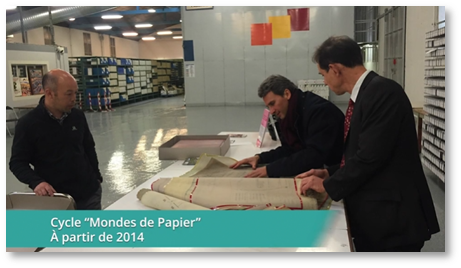
Starting in 2014, we embarked on a cycle of research and creation centered around paper documents.
Led by Tommy Laszlo and Benoît Faivre, this work paved the way for new dramaturgical and poetic explorations.
Notably, we found ways to create performances from paper collections that are often difficult for museums and archives to showcase in traditional ways.
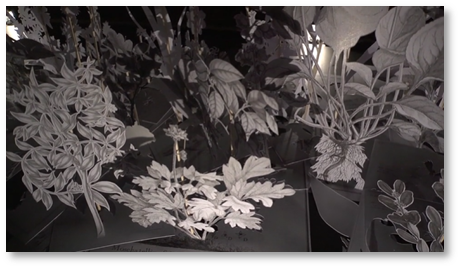
Thus, the installation Jardin de Papier reveals the engravings of an 18th-century botanical encyclopedia through the cutting out and standing up of its plant illustrations, enhanced by sound and moving lights.
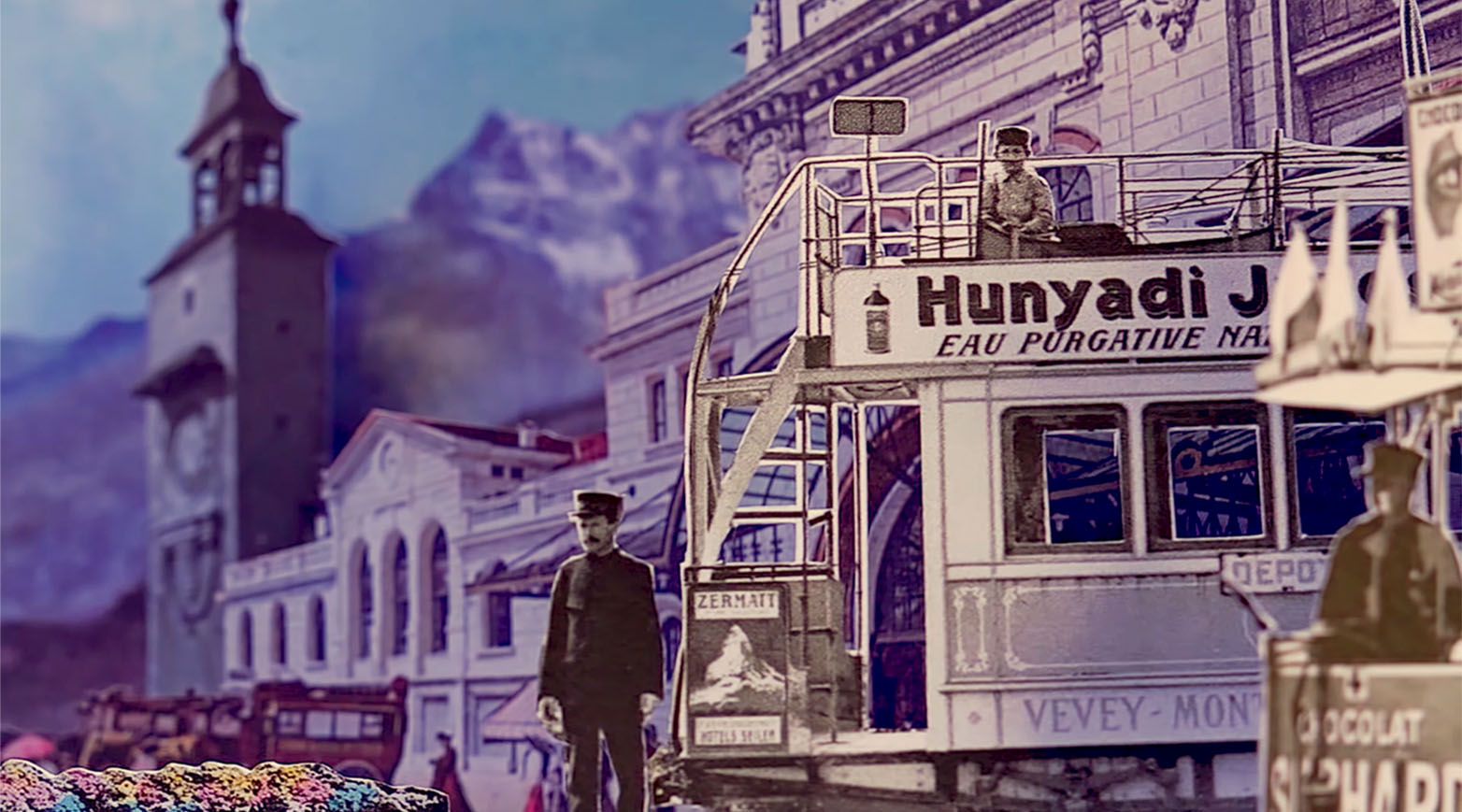
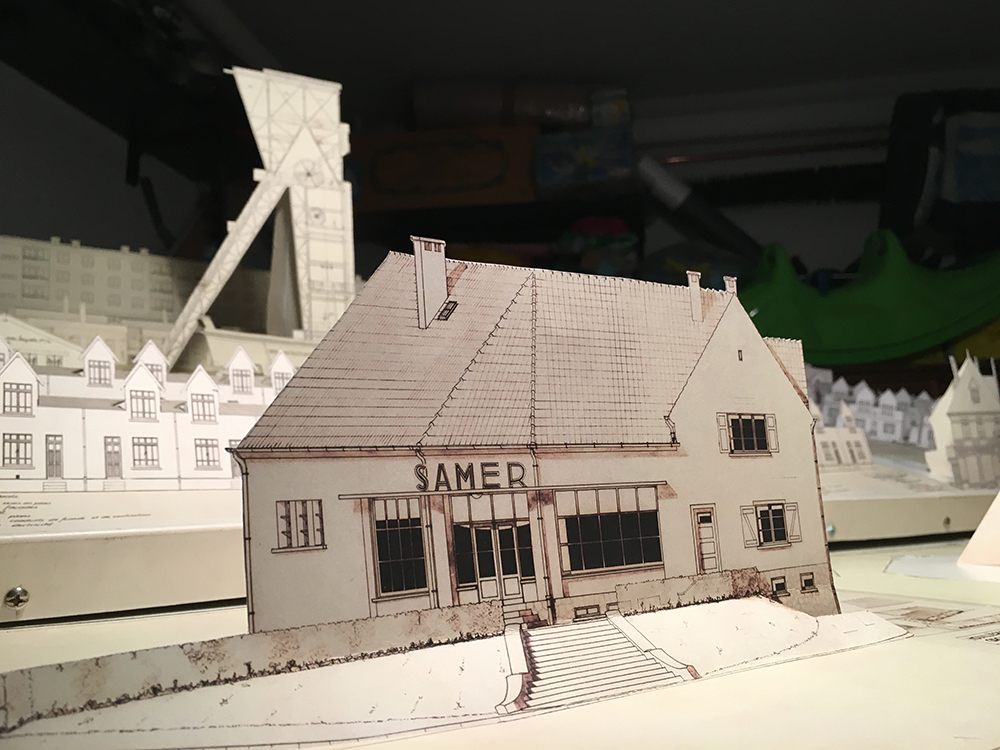
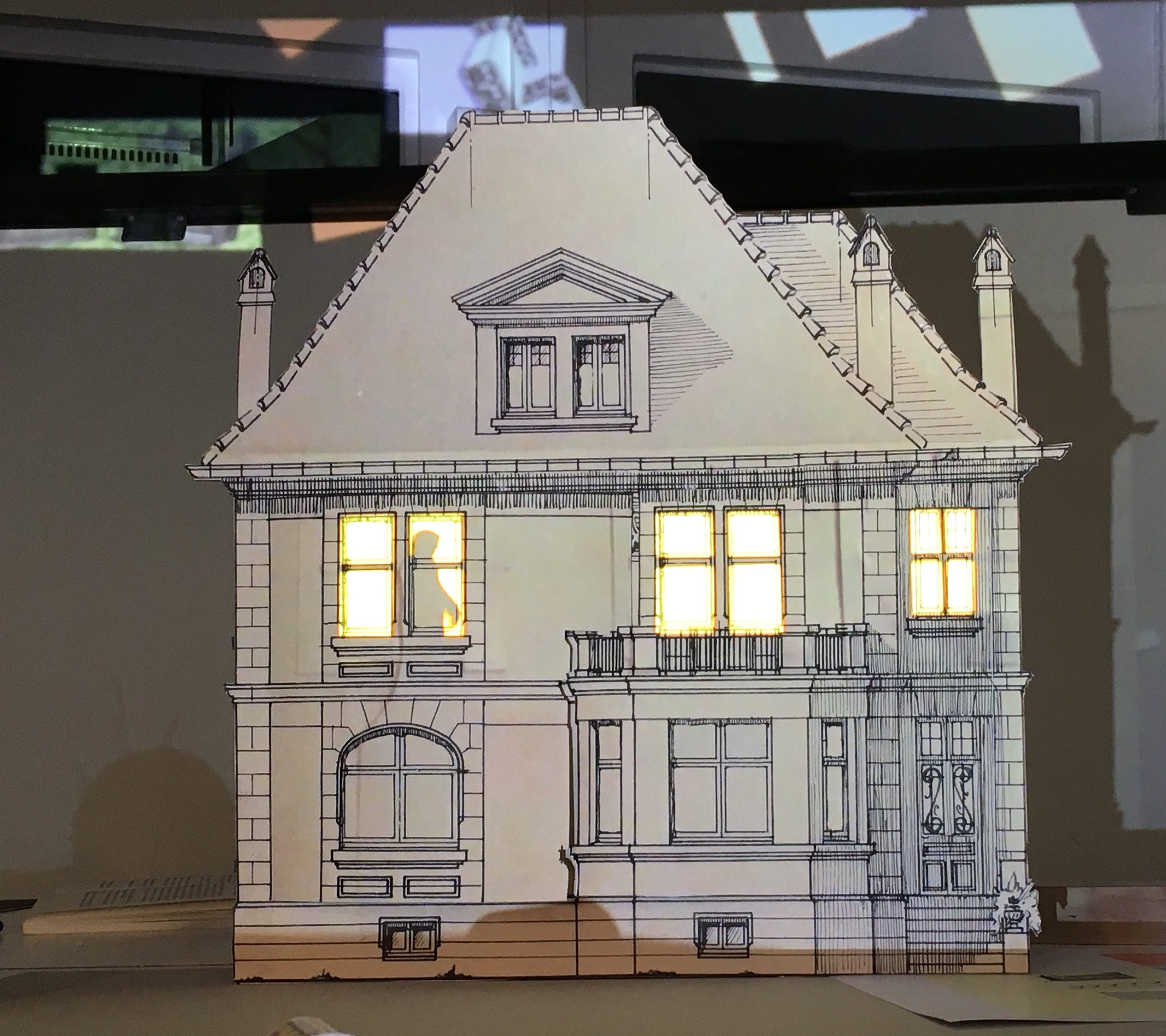
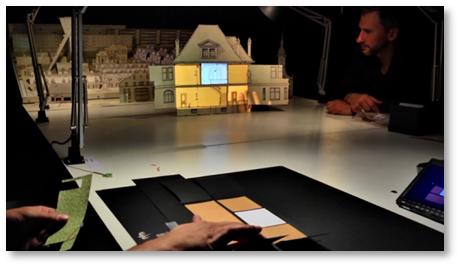
The Villes de Papier, numbering 6 today, are live-filmed performances based on postcards from several cities in France and abroad.
Cut and folded, these cards offer immersive tours into these collections of vintage images.
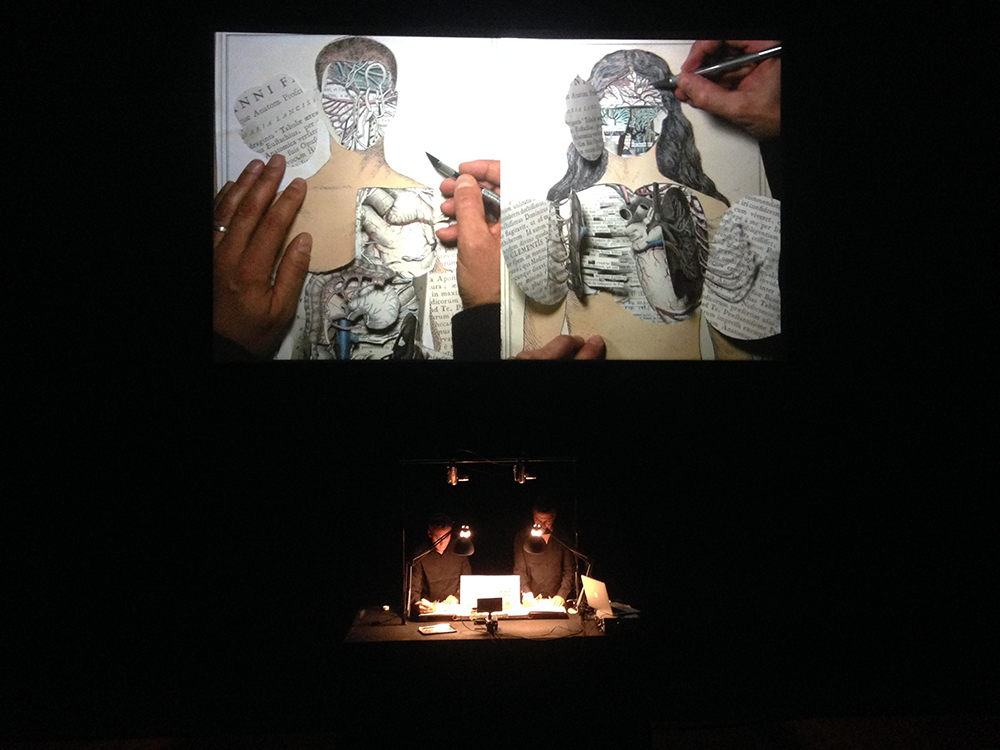
Nos Jardins is a show conceived from old anatomy textbooks, where we operate on the figures to bring forth pictorial elements that make up an ideal garden.
The participatory documentary installation Culture Fabrique, created for the 40+1 anniversary of the Kulturfabrik in Esch-sur-Alzette, also extends this cycle: nearly 850 archives are printed, cut out, and recomposed into three-dimensional collages across several tables, with the participation of local residents.
Le Stade, a participatory documentary installation centered around the 1924 and 2024 Olympic Games, develops another way to activate archives and connect memory with shared space.
In pictures

Exploring new dramaturgical and technical devices:
We also embrace new tools for our creations, particularly through projection mapping, in
La Fabrique, a video and sound show projected on the Moulin des Thermes during the Sentier des Lanternes festival in Metz.
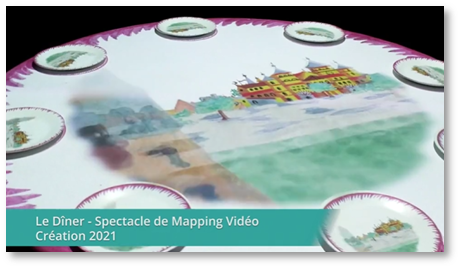
Or with Le Dîner at the Musée de la Faïence in Sarreguemines: an animated historical fresco mapped onto plates, designed with the Manufacture du Patrimoine from a rich iconographic collection.
We also use these technologies in our shows, as in Au Fond, created at the industrial archives of Saint-Avold during a regional residency, through which we explore the history of the Lorraine coal mines based on the narrative of historian Philippe Artières and documents from the Moselle Departmental Council. This show was specifically designed to be performed in unequipped venues, such as middle schools, media libraries, museums, or archive departments.
This approach continues today in lightweight or adaptable stage formats, such as the Folk Clubs, which combine talks, live music, drawn storytelling, and live video creation.
In pictures
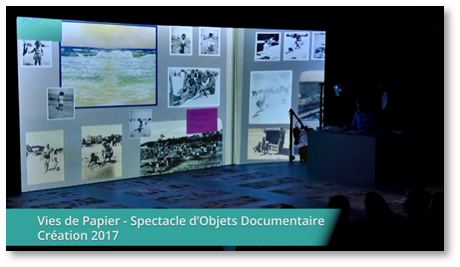
Vies de Papier: A Flagship Example of “Documentary Object Theater”
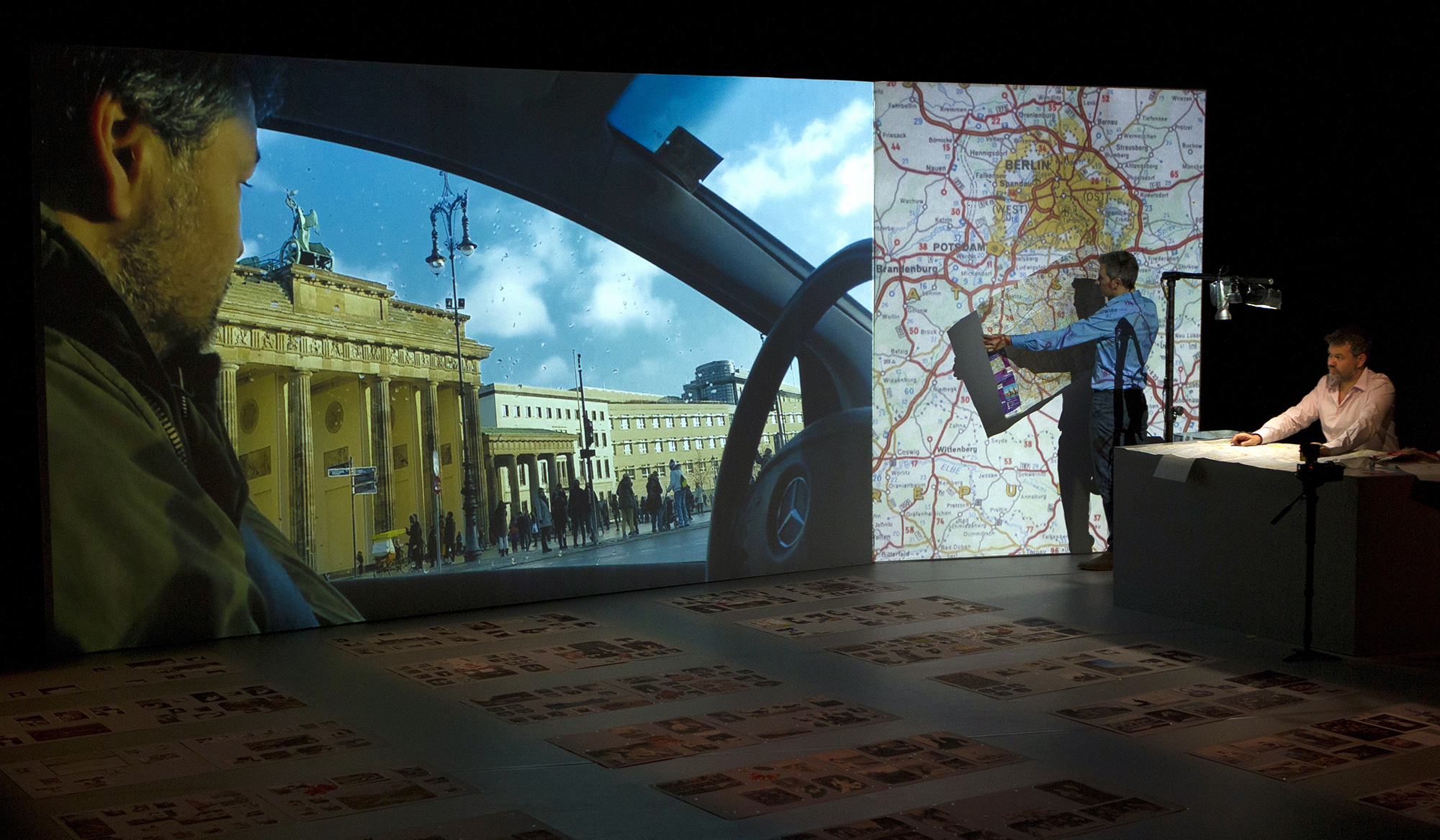
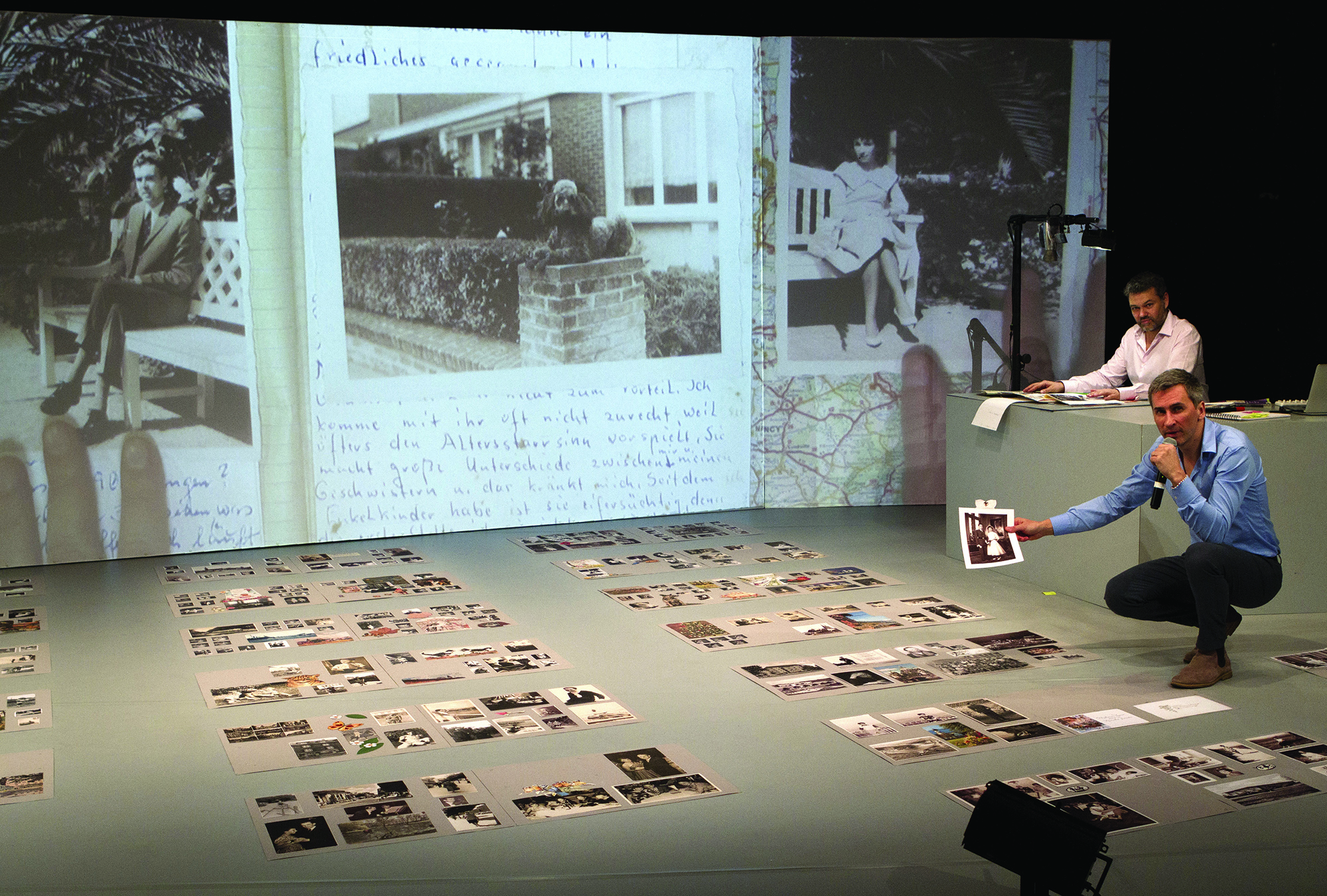
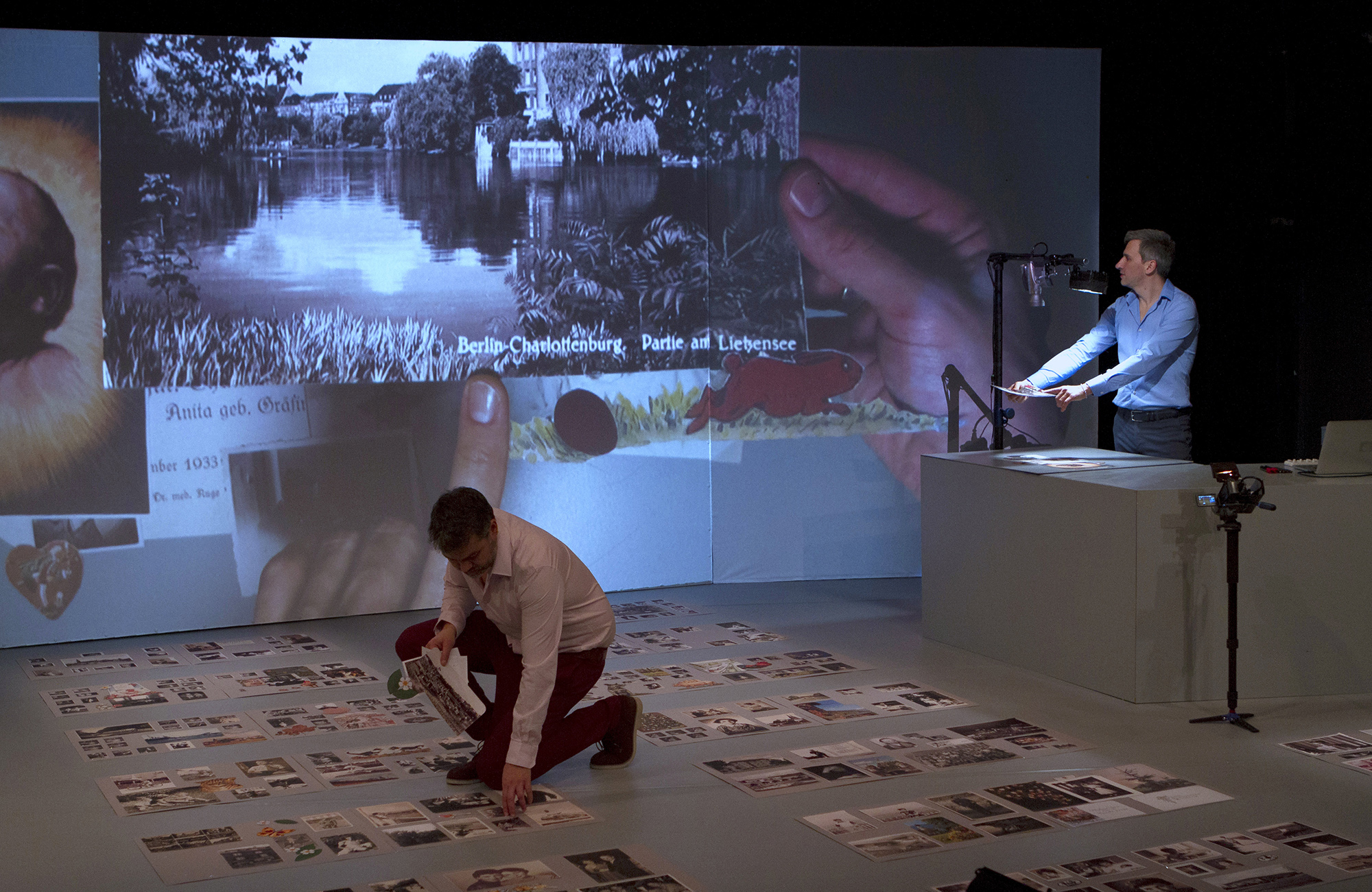
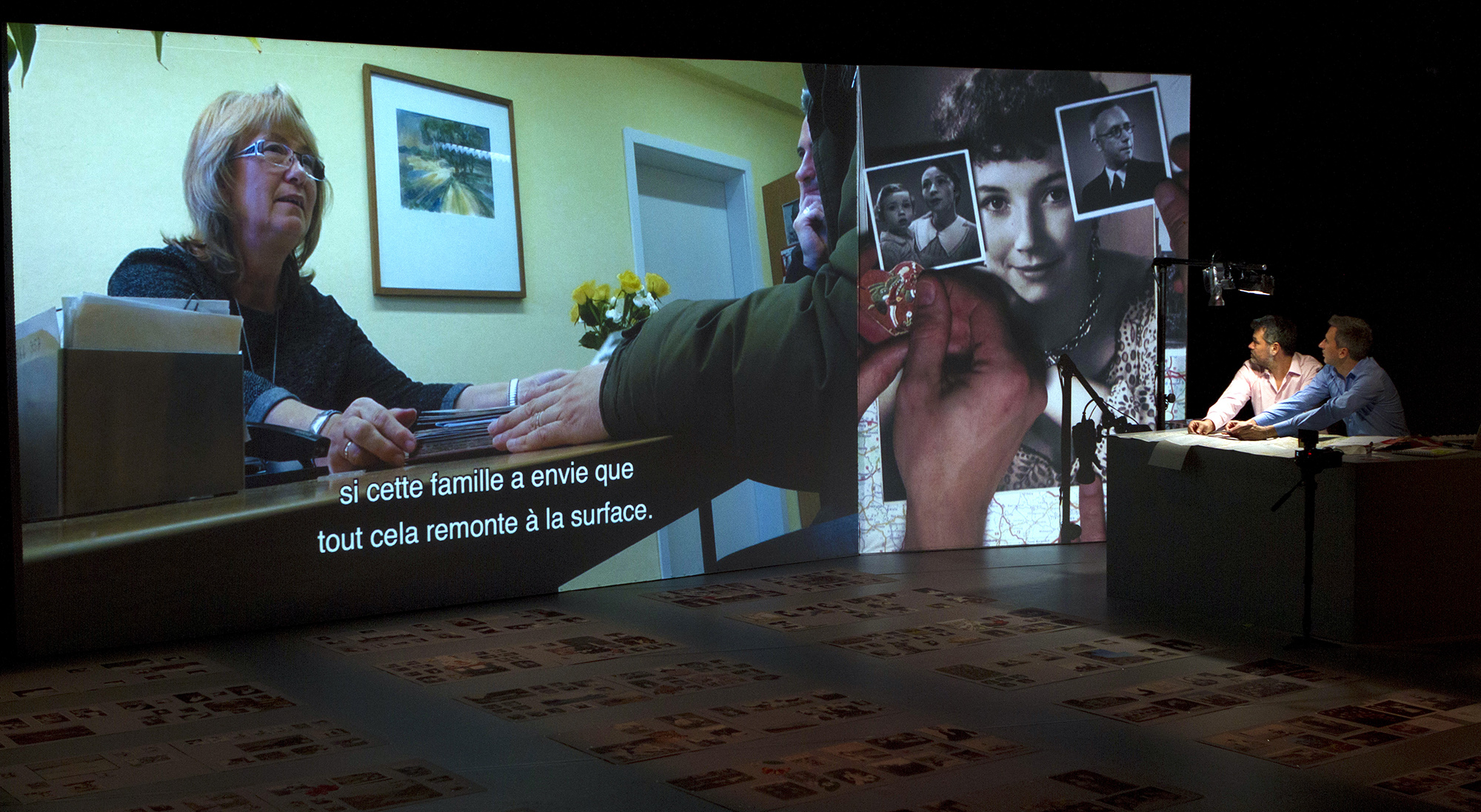
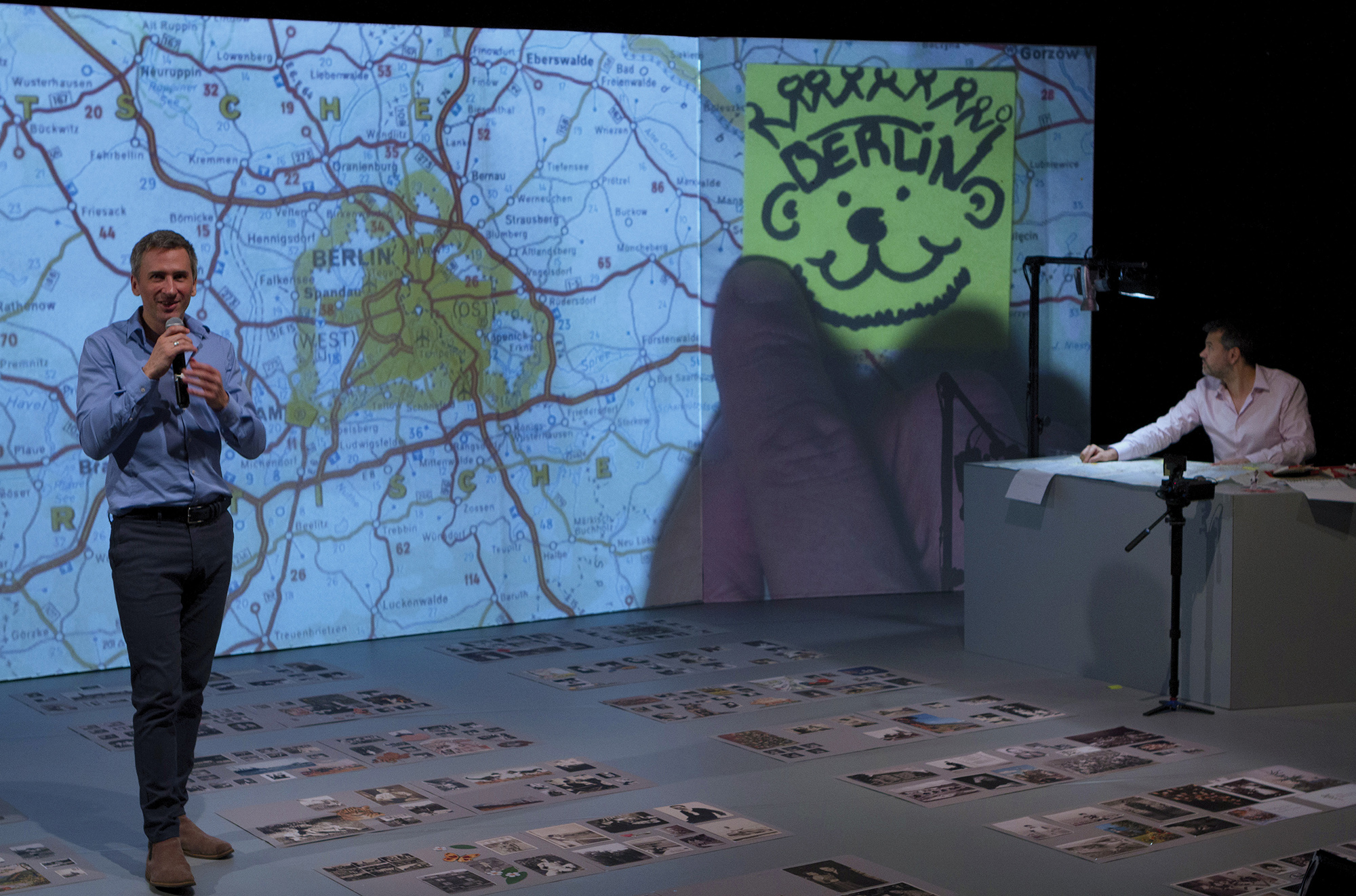
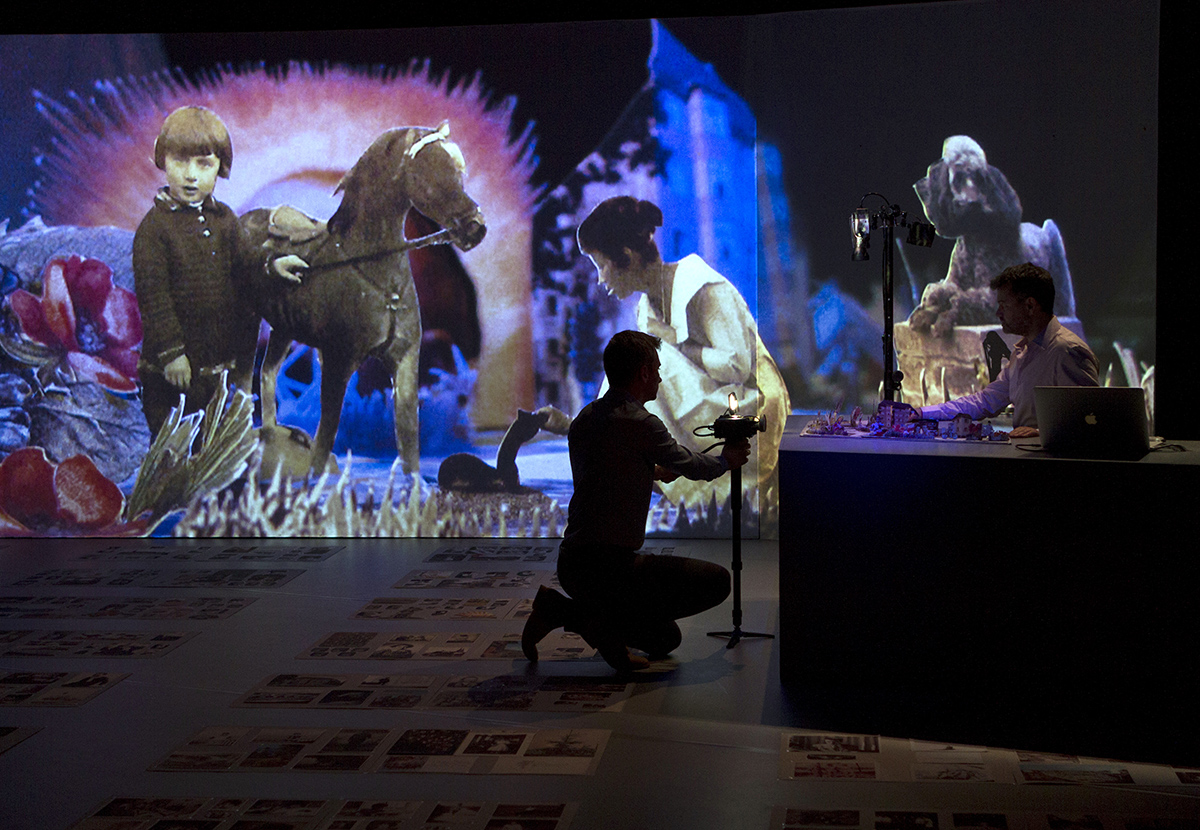
With Vies de Papier, a show created in 2017, we take the intersection of historical investigation, film, and documentary theater even further.
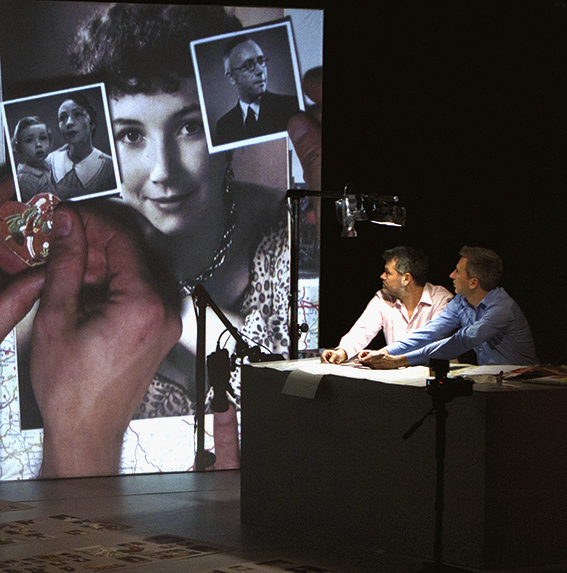
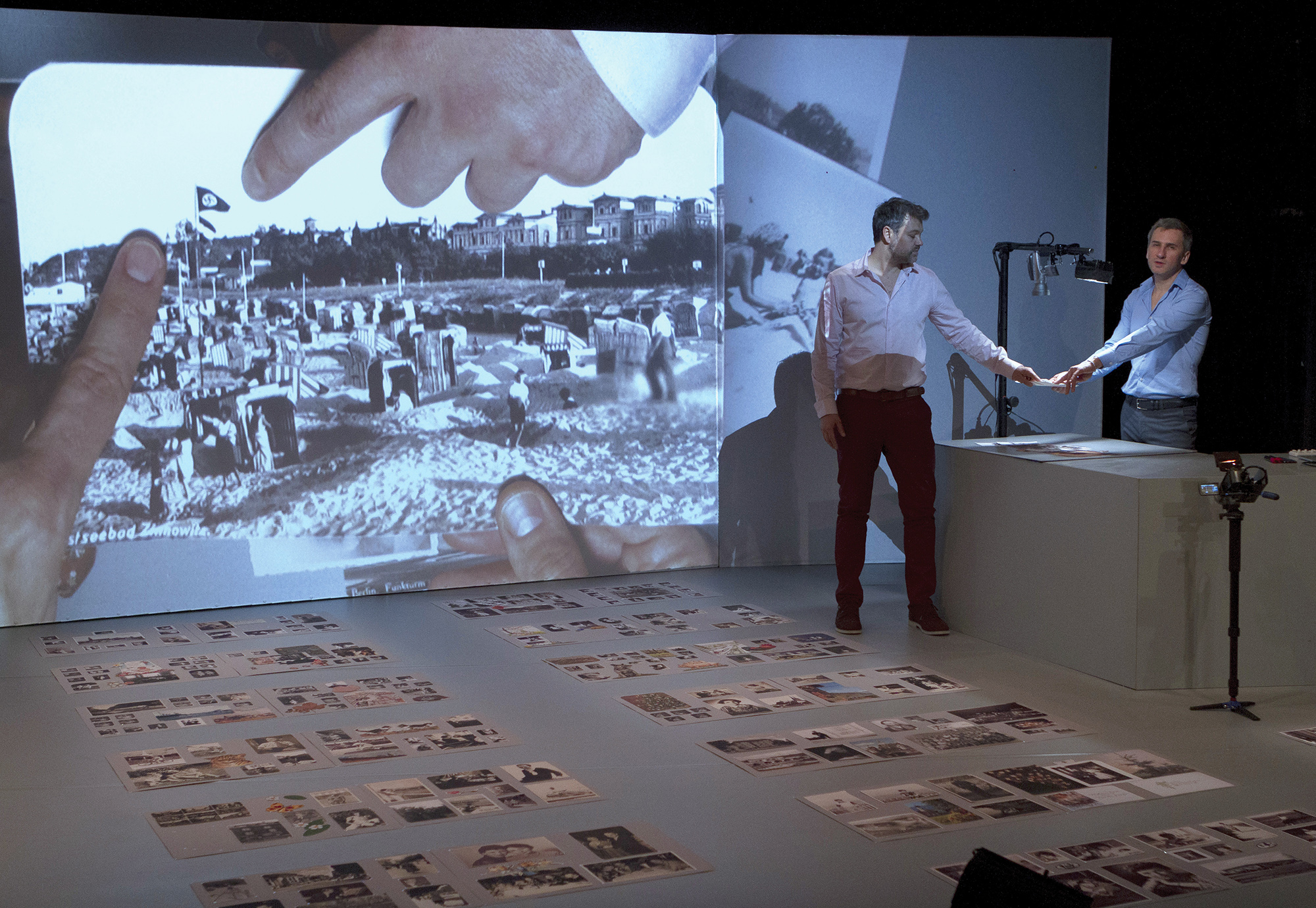
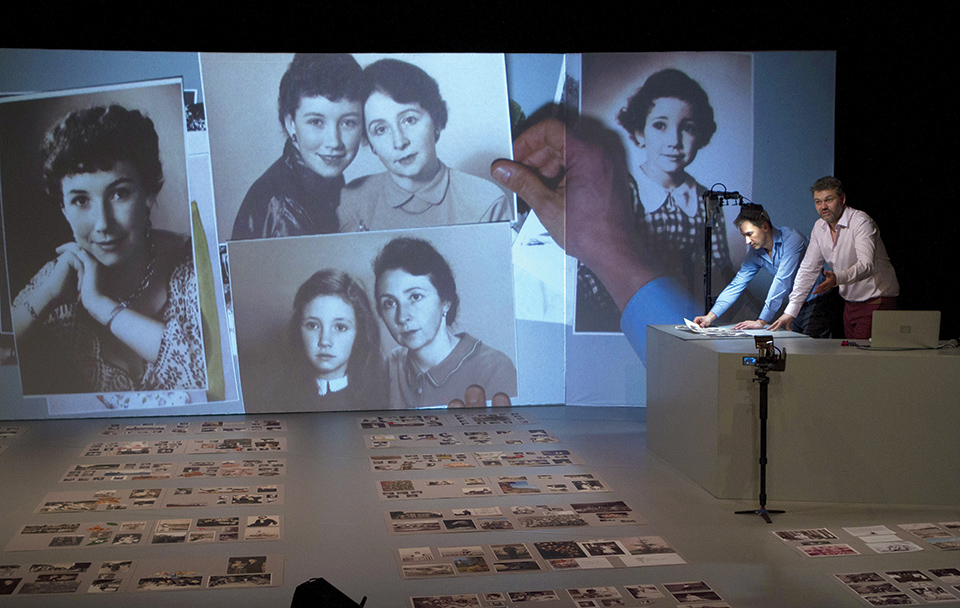
The discovery of a photo album at a flea market in Brussels leads us on a search for Christa, a young girl born in Berlin in 1933.
By invoking documents live on stage, the show reveals the singularities of individual destinies within the grand narrative of History.
It demonstrates how objects can become sensitive vessels of our lives, capable not only of telling stories, but also of transforming reality in the theater.
In pictures
Voici la traduction de ce nouveau paragraphe, en conservant vos balises HTML et le ton du récit :
A New Cycle Dedicated to Adolescence:
Vies de Papier brought us numerous testimonies from people who were sometimes deeply moved by this narrative.
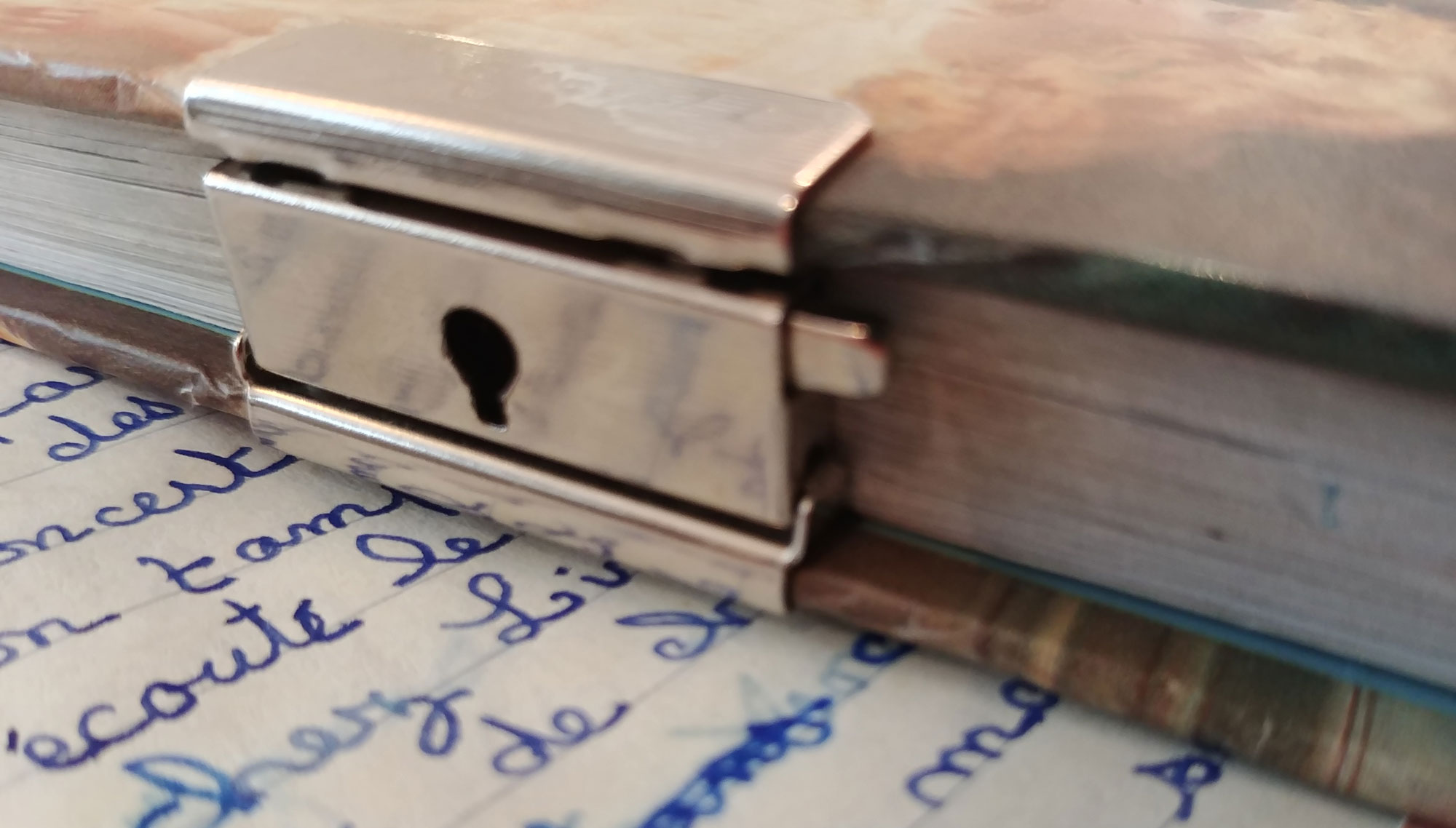
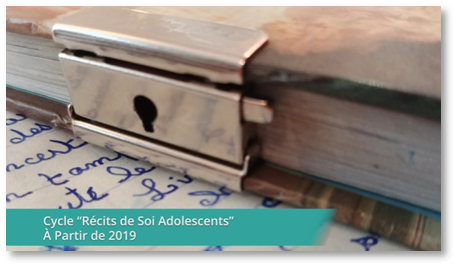
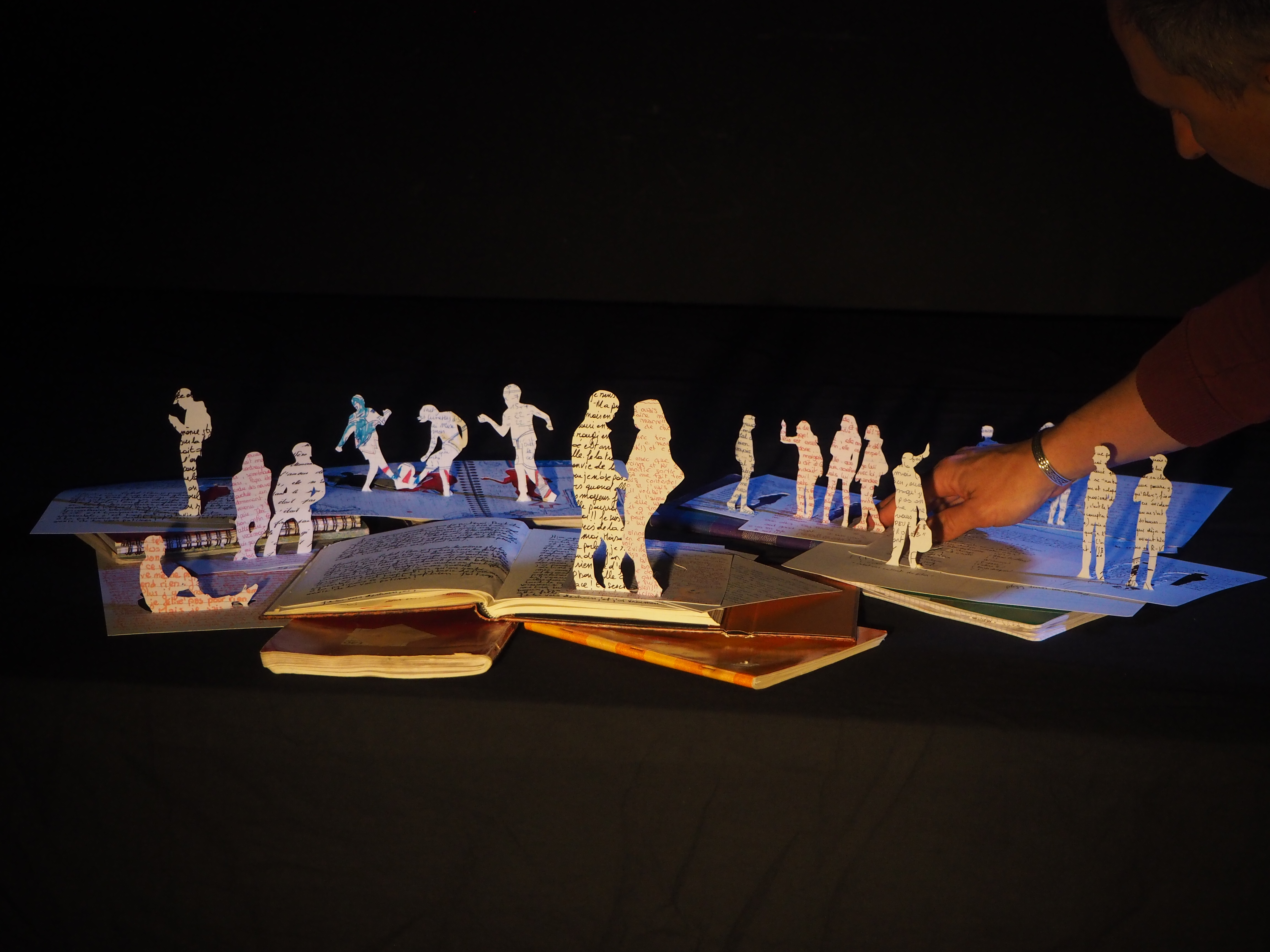
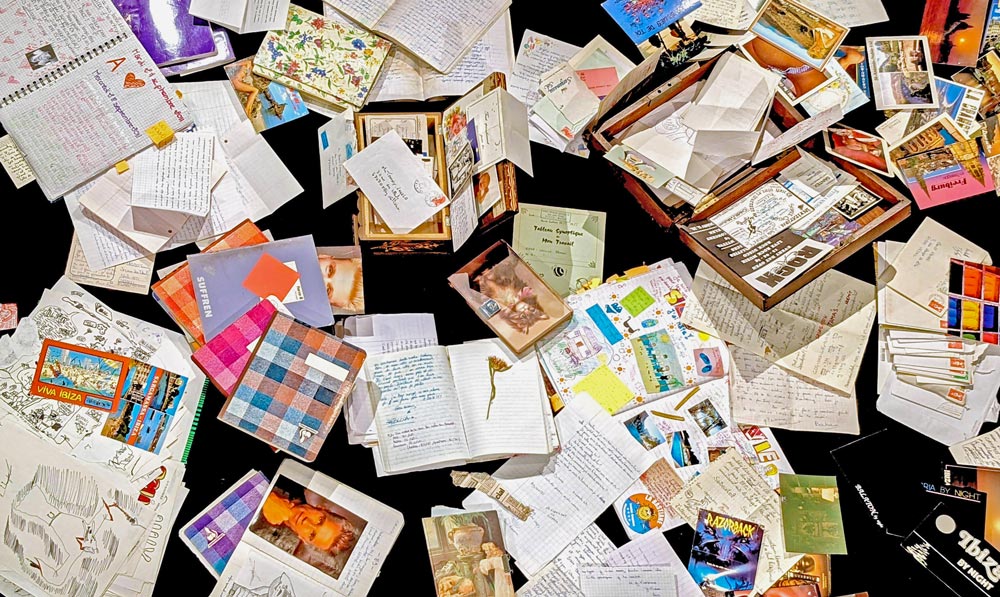
One of them even entrusted us with her teenage diary.
This gesture opened a new documentary cycle dedicated to adolescent personal narratives.
We wanted to continue our exploration of documentary object theater by creating, this time, a show centered on personal writing during the pivotal period of adolescence.
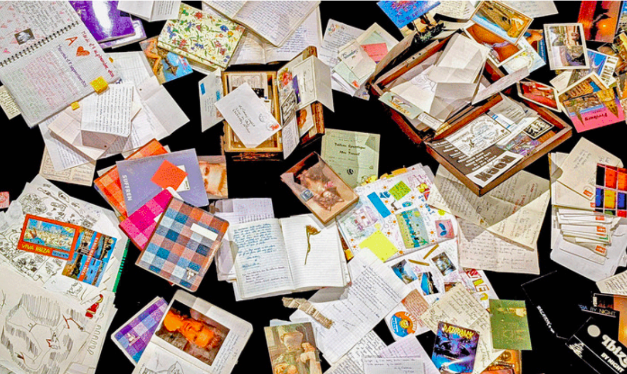
Begun in 2019, this exploration relied on a call for testimonies, through which more than fifteen participants entrusted us with their teenage writings.
Thus, we read, sorted, and cataloged over 8,000 pages, from which we extracted hundreds of quotes.
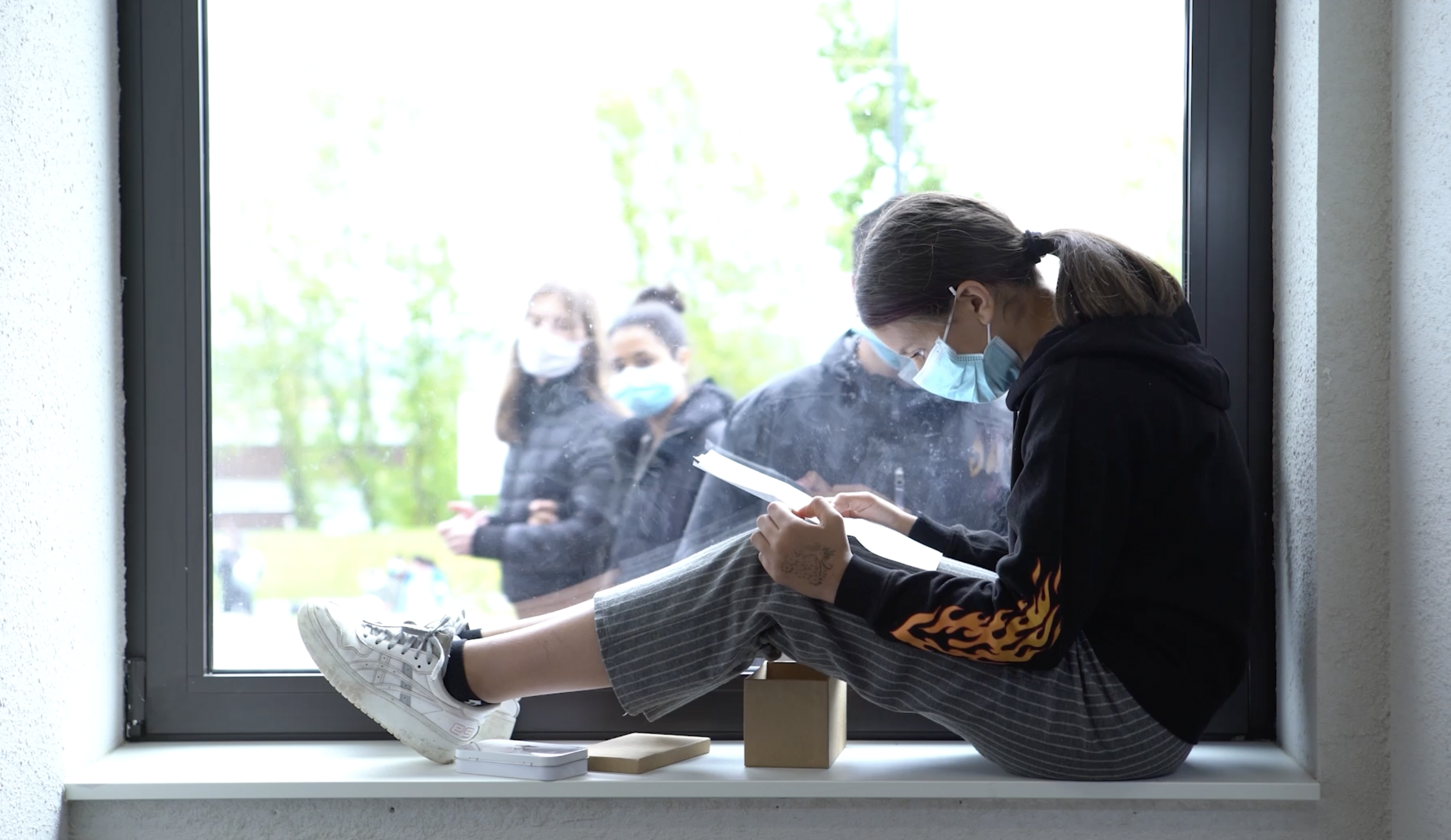
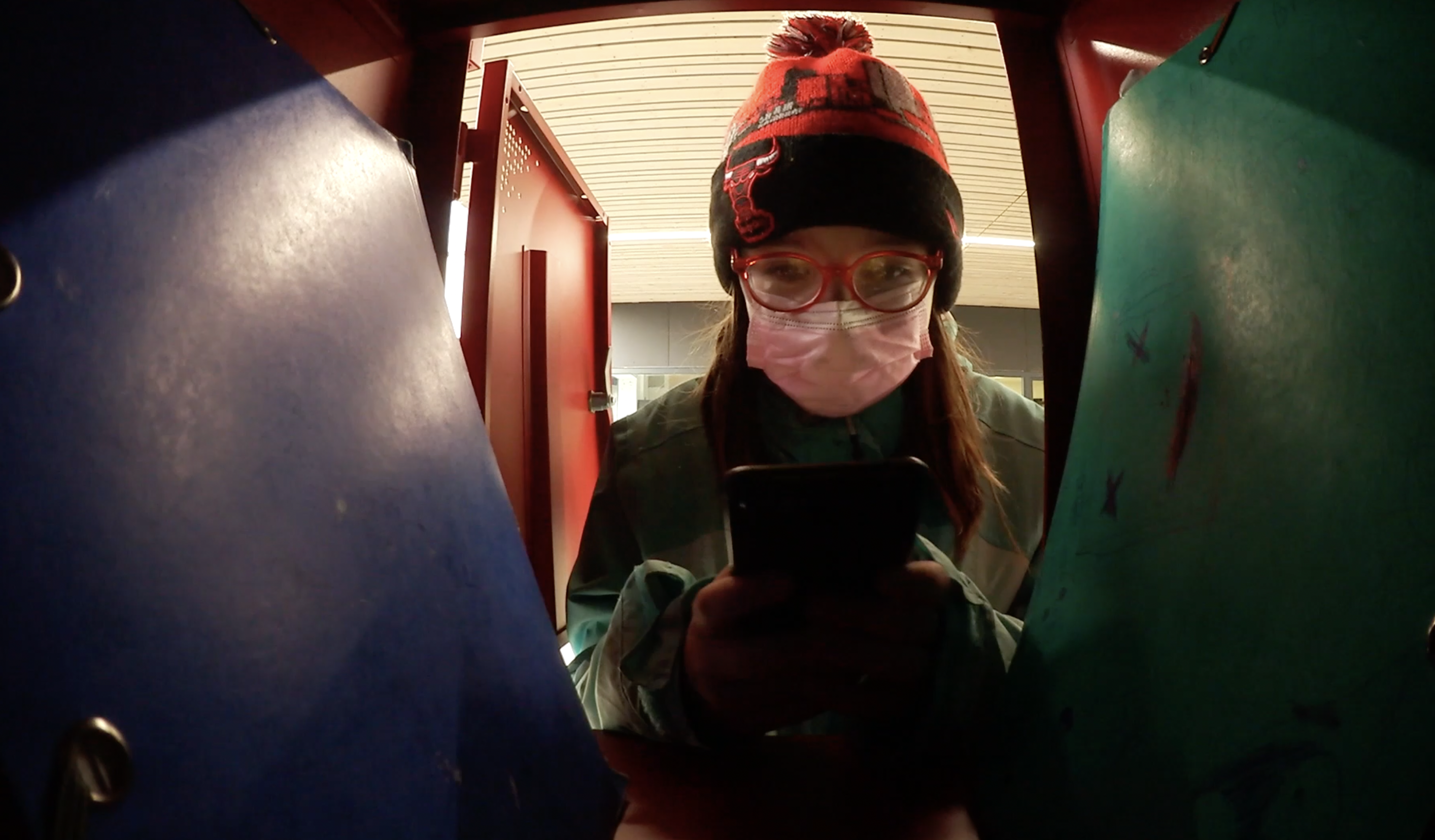
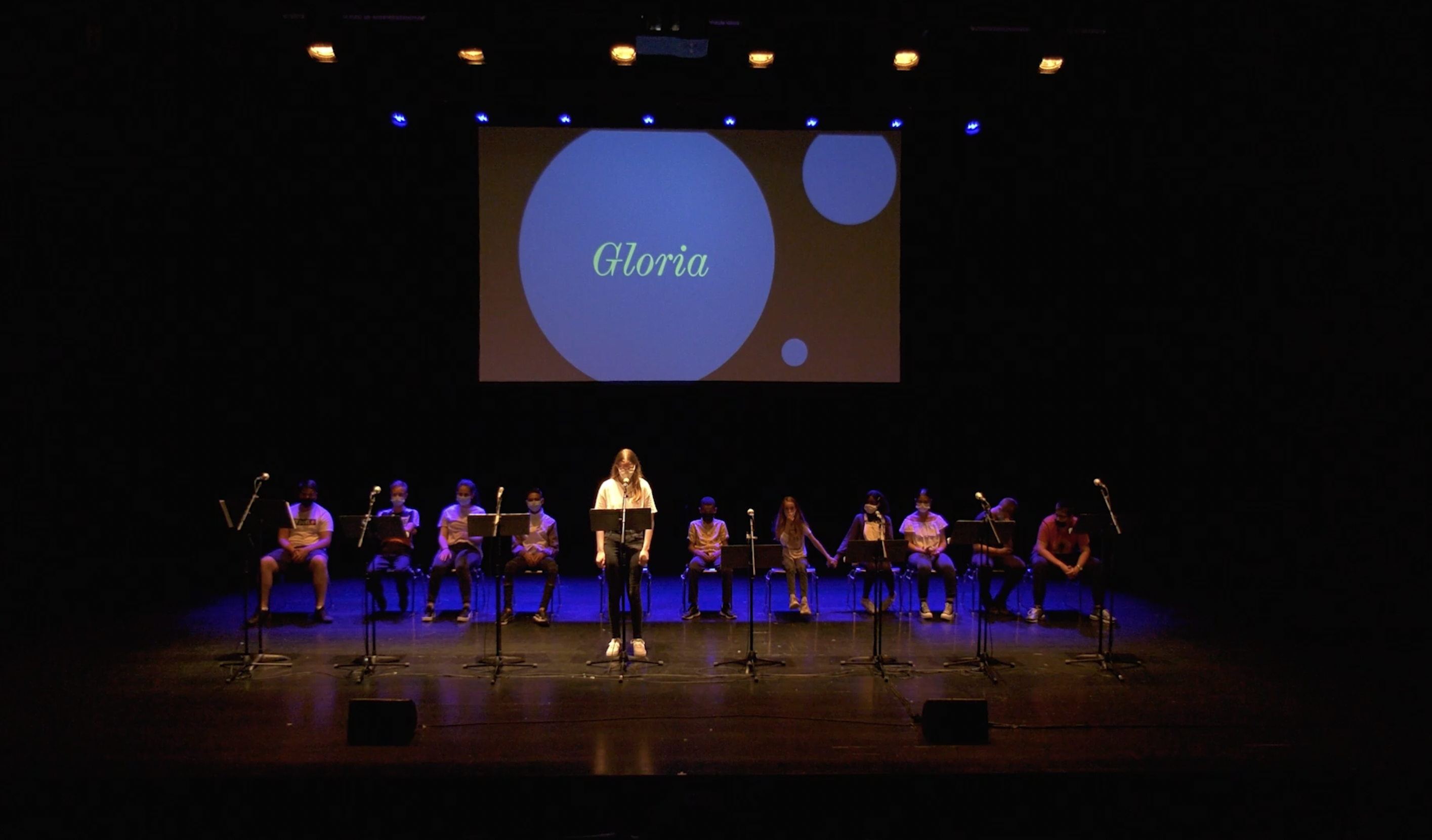
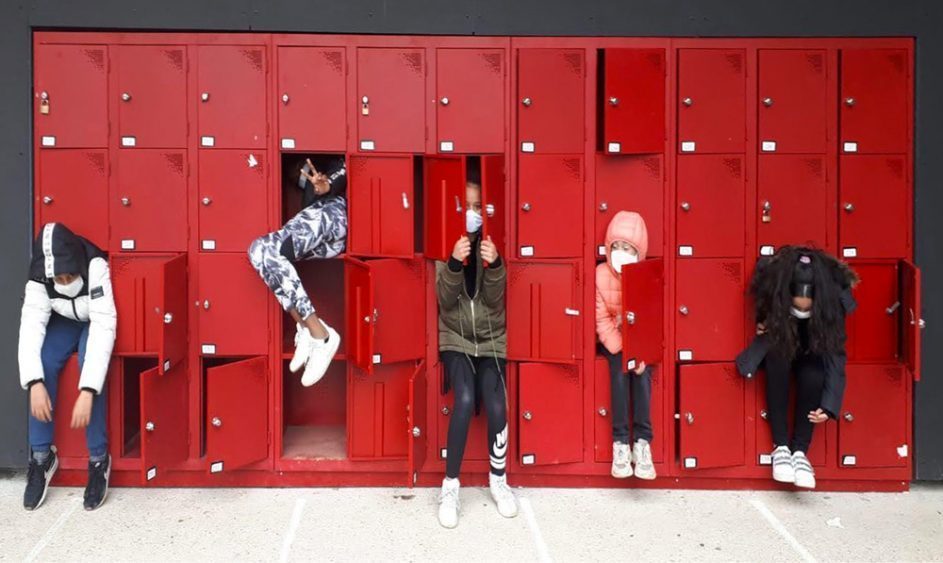
School residencies in middle and high schools also allowed us to collect stories from today’s teenagers, notably through writing and the creation of poetic videos.
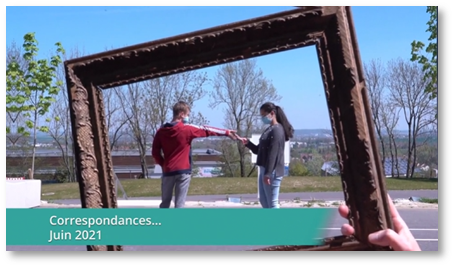
A correspondence of over 60 letters between adults from Forbach and young people from Vandoeuvre resulted in a film and a show born from these exchanges.
In pictures
Voici la traduction de cette section, toujours avec les balises HTML intégrées :
Devenir: a show based on teenage diaries:
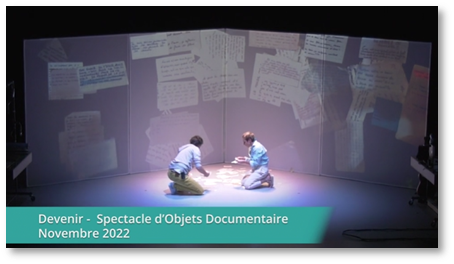
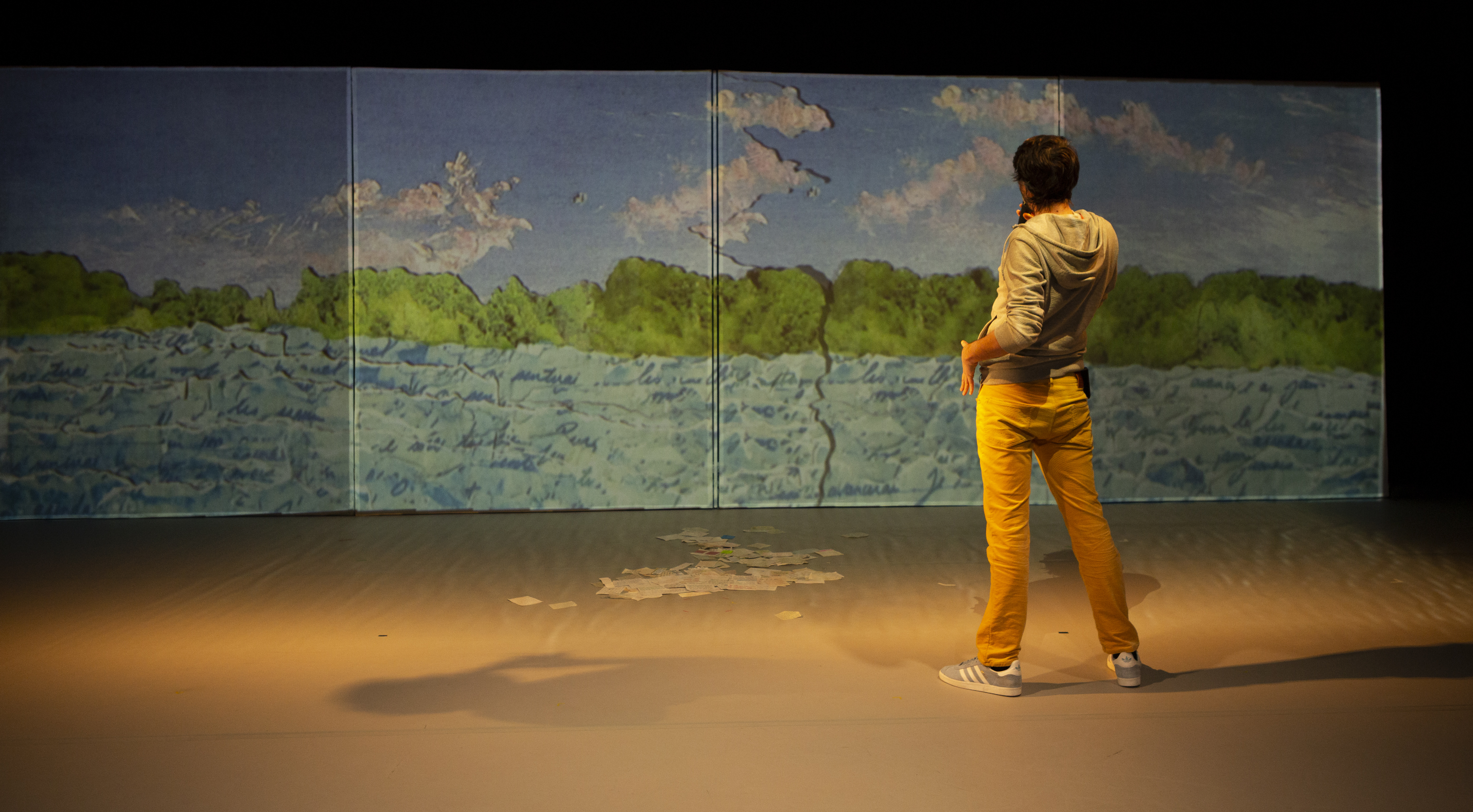
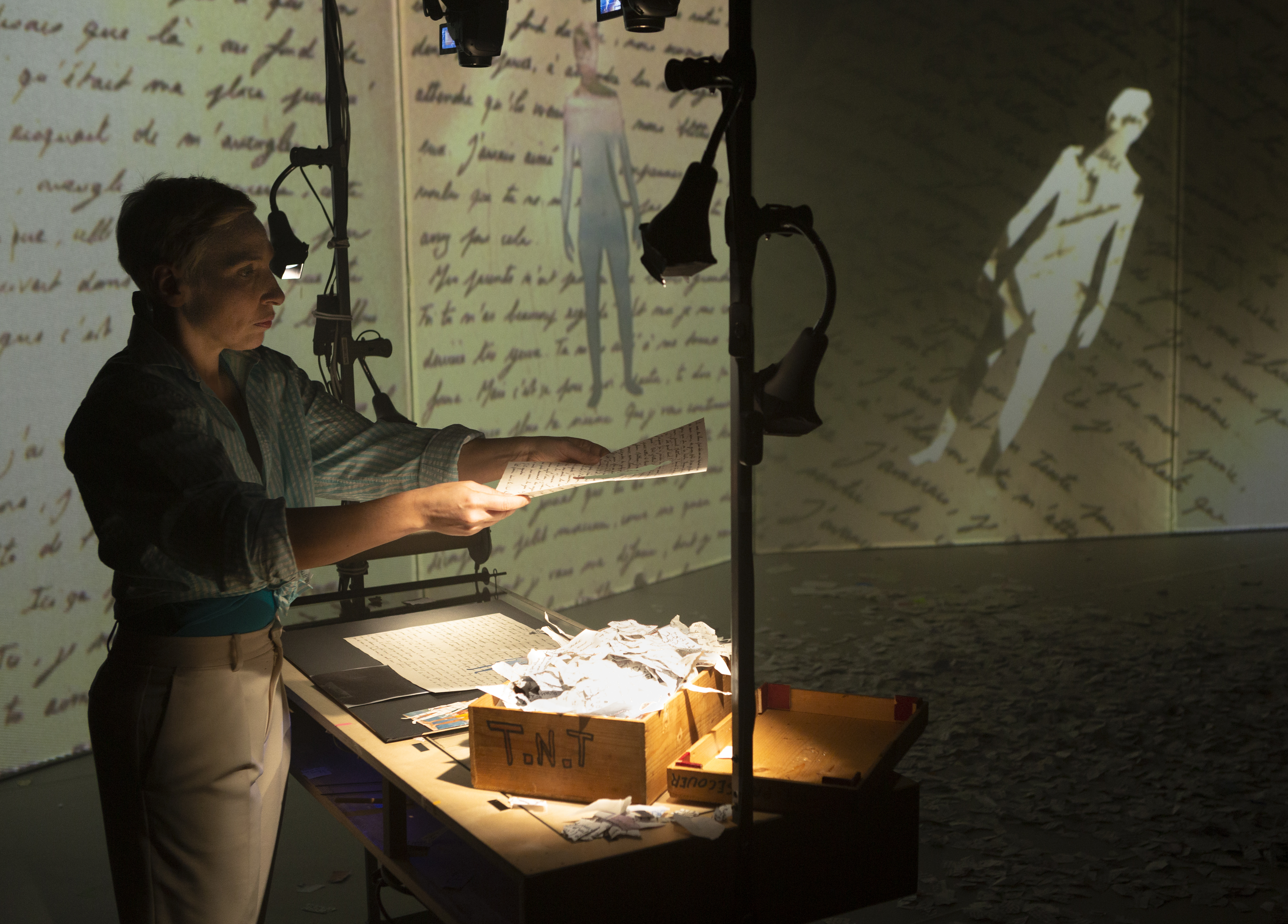
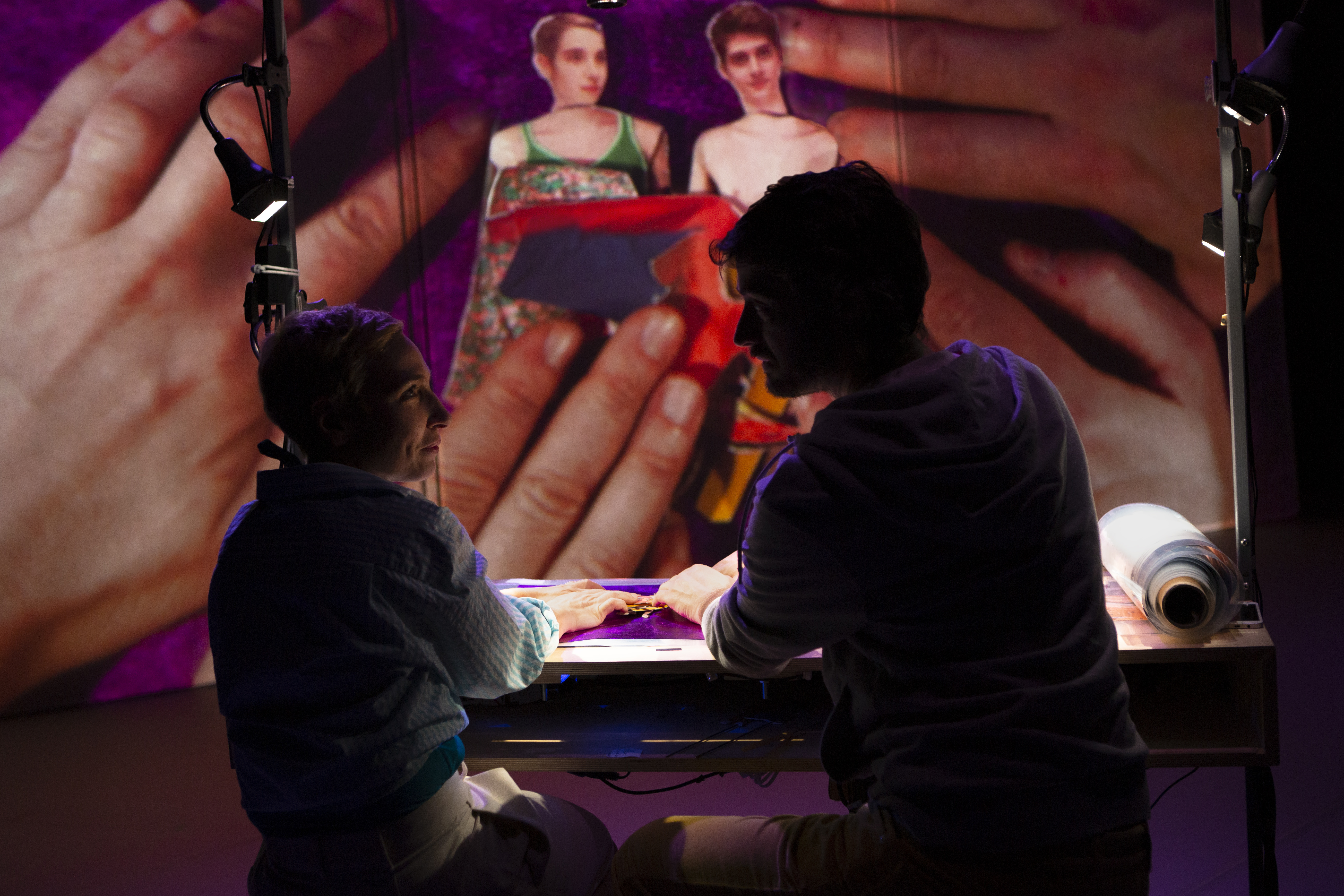
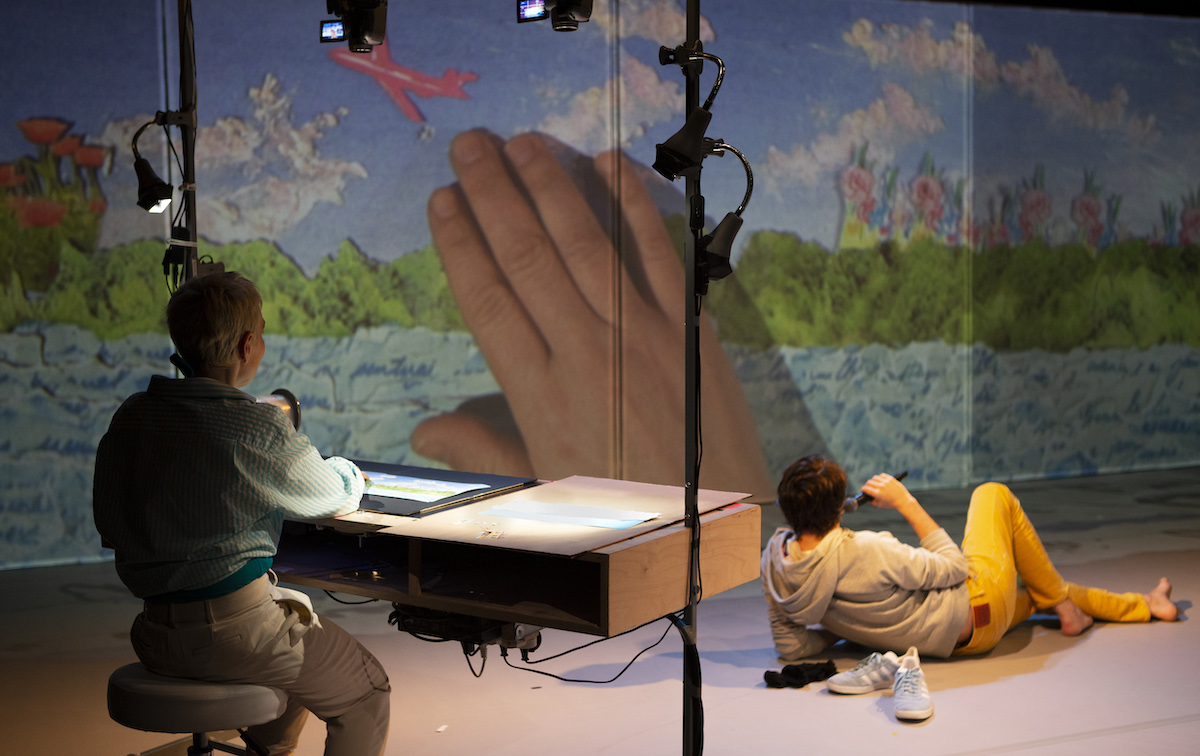
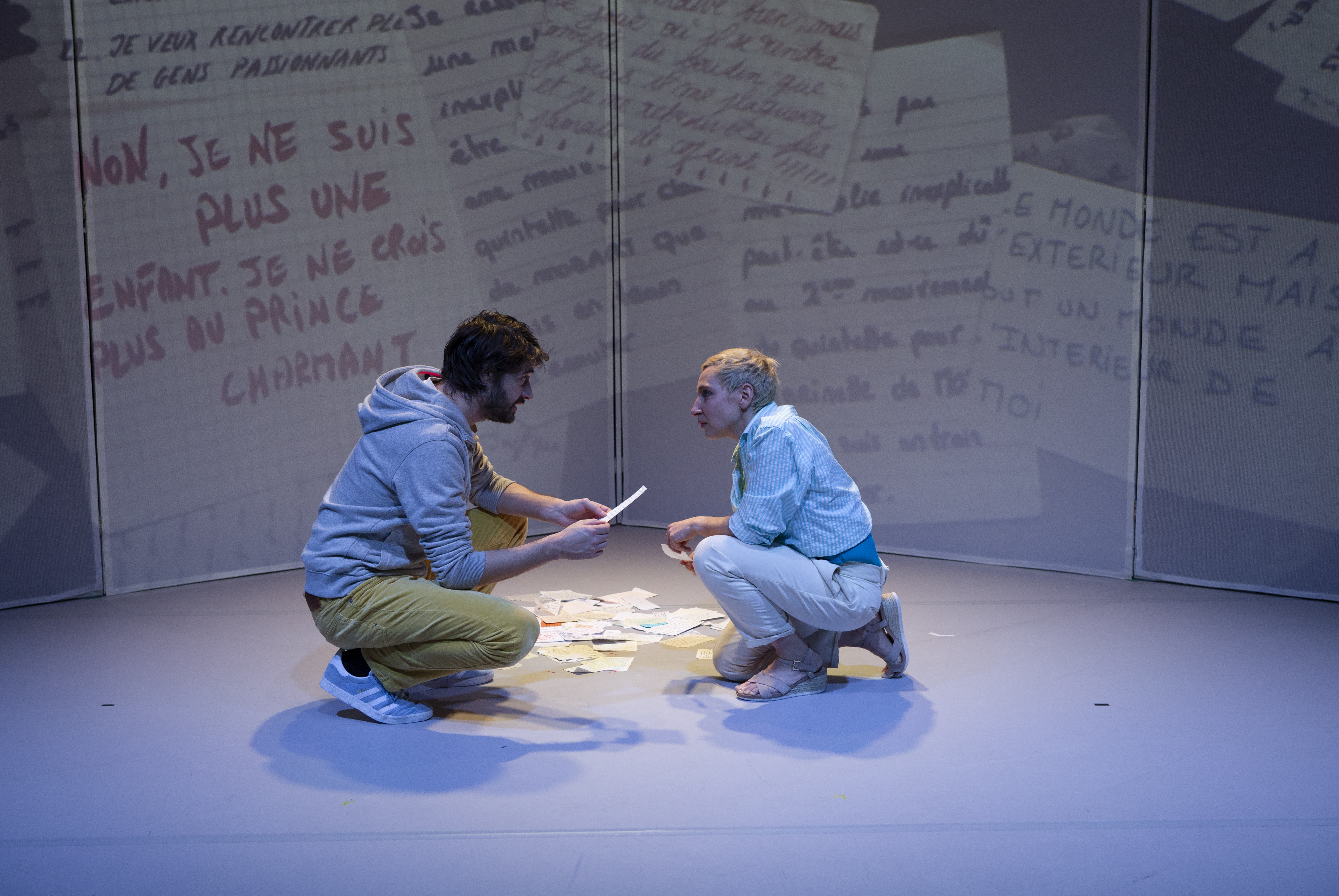
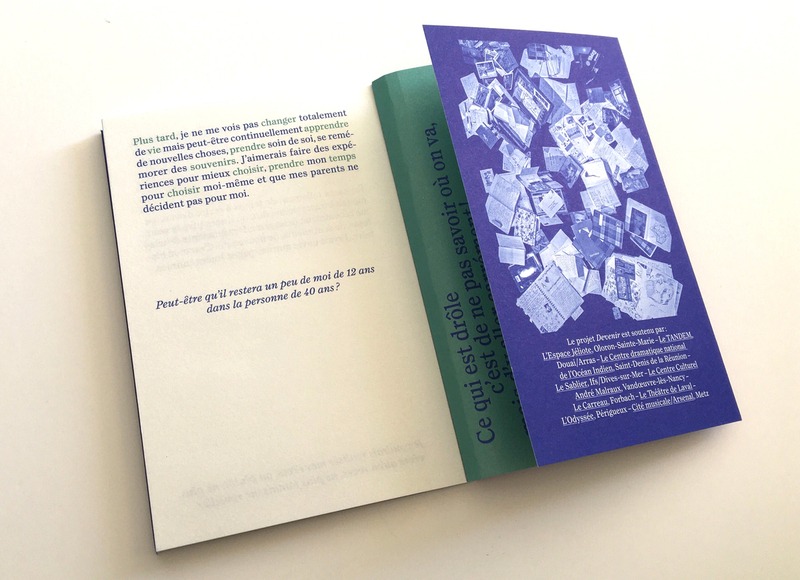
All this material allowed us to create the show Devenir in November 2022.
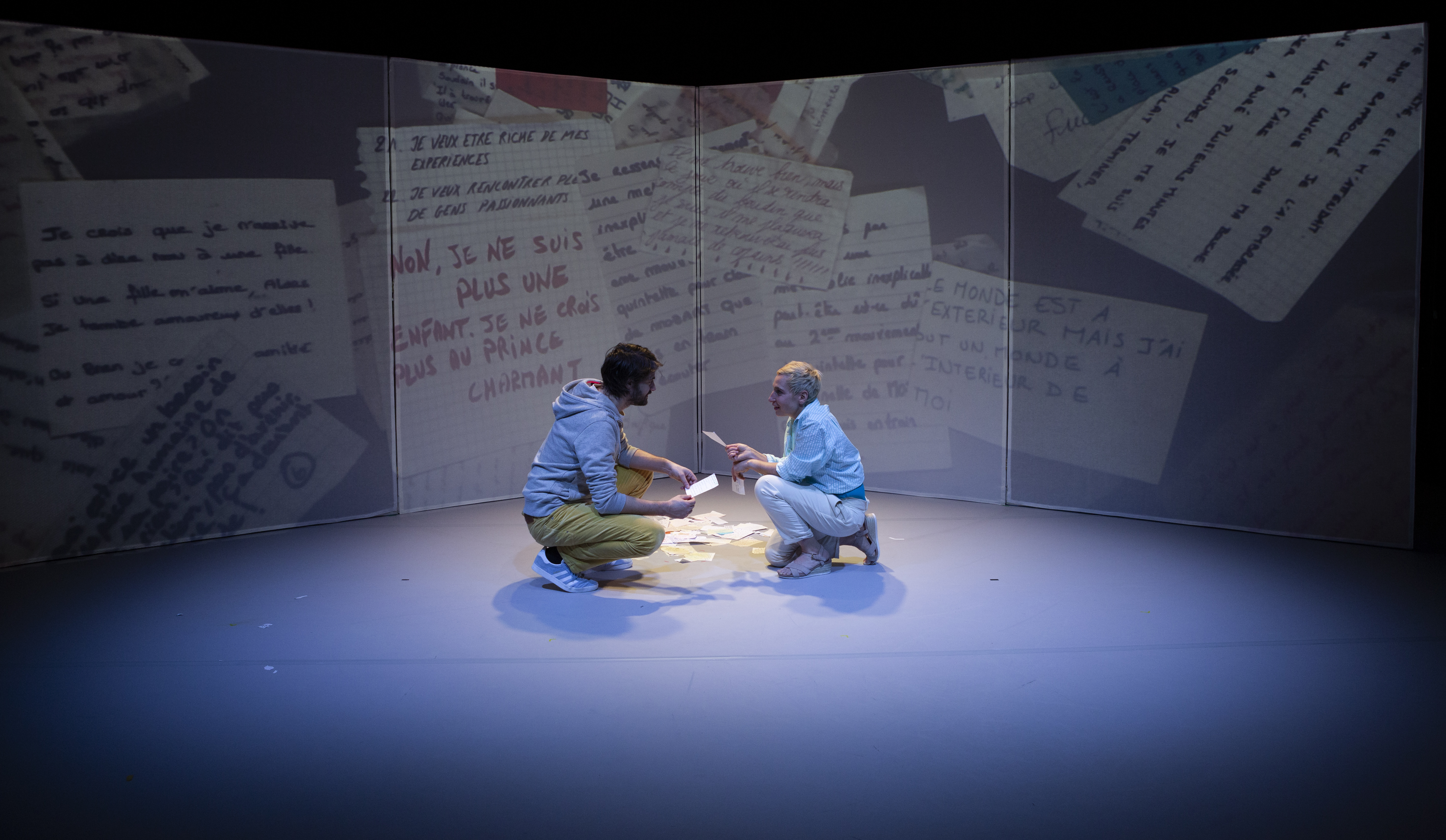
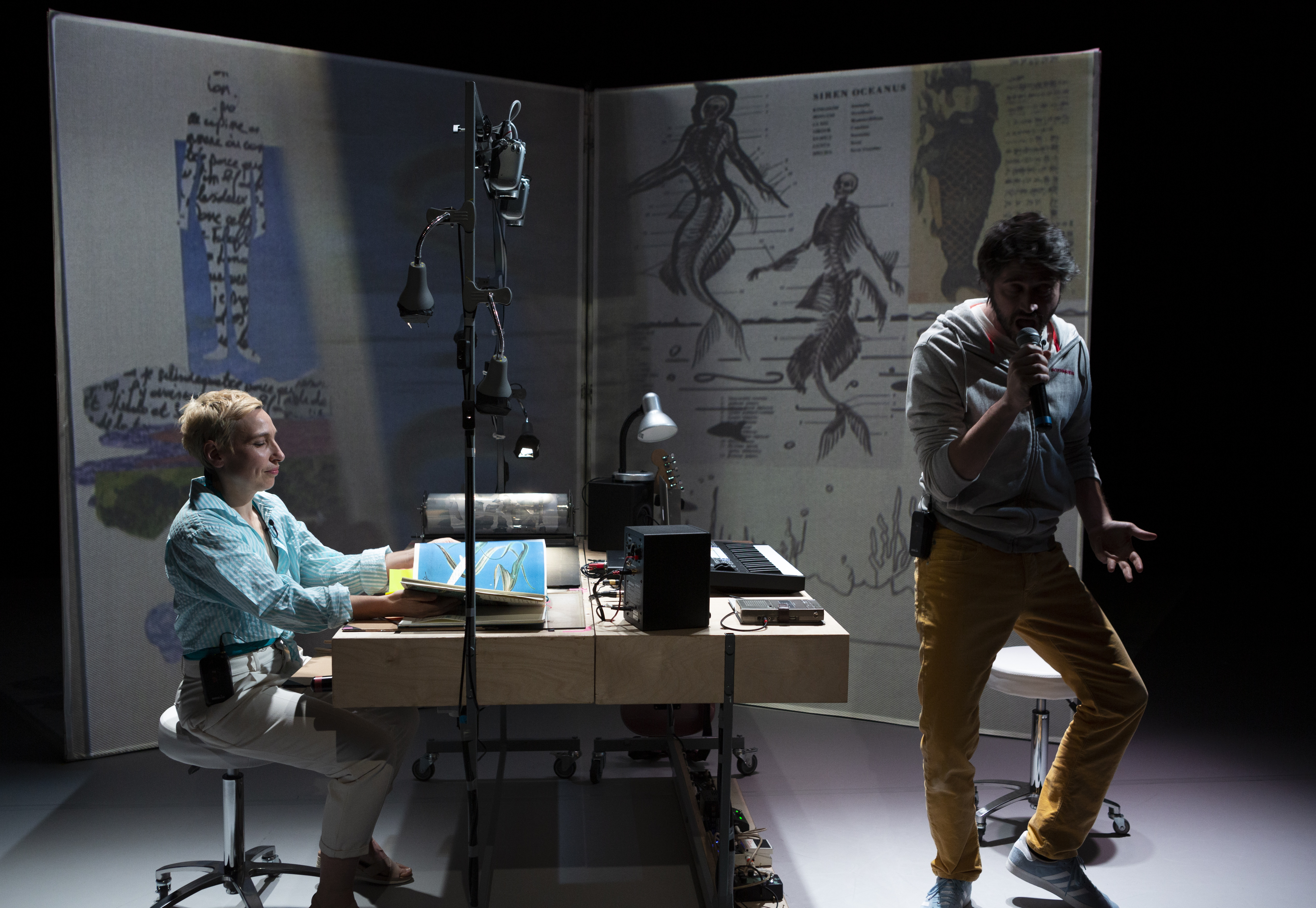
This creation features a puppeteer and a singer-musician who come together to create a show from personal diaries.
The writings they thought they were manipulating begin to act upon them, bringing their shared past as middle and high school sweethearts to the surface.
This show, written from diaries, is performed by Kathleen Fortin and Maxime Kerzanet.
It weaves a network of texts, musical compositions, and animated visual creations, all brought to the stage through new scenographic and technical explorations.
In pictures
An ongoing creation on adolescent personal narratives:
This work on adolescence does not stop there, as it is an extremely rich theme to which we are now deeply connected.
We have chosen to share these narratives through new artistic research.
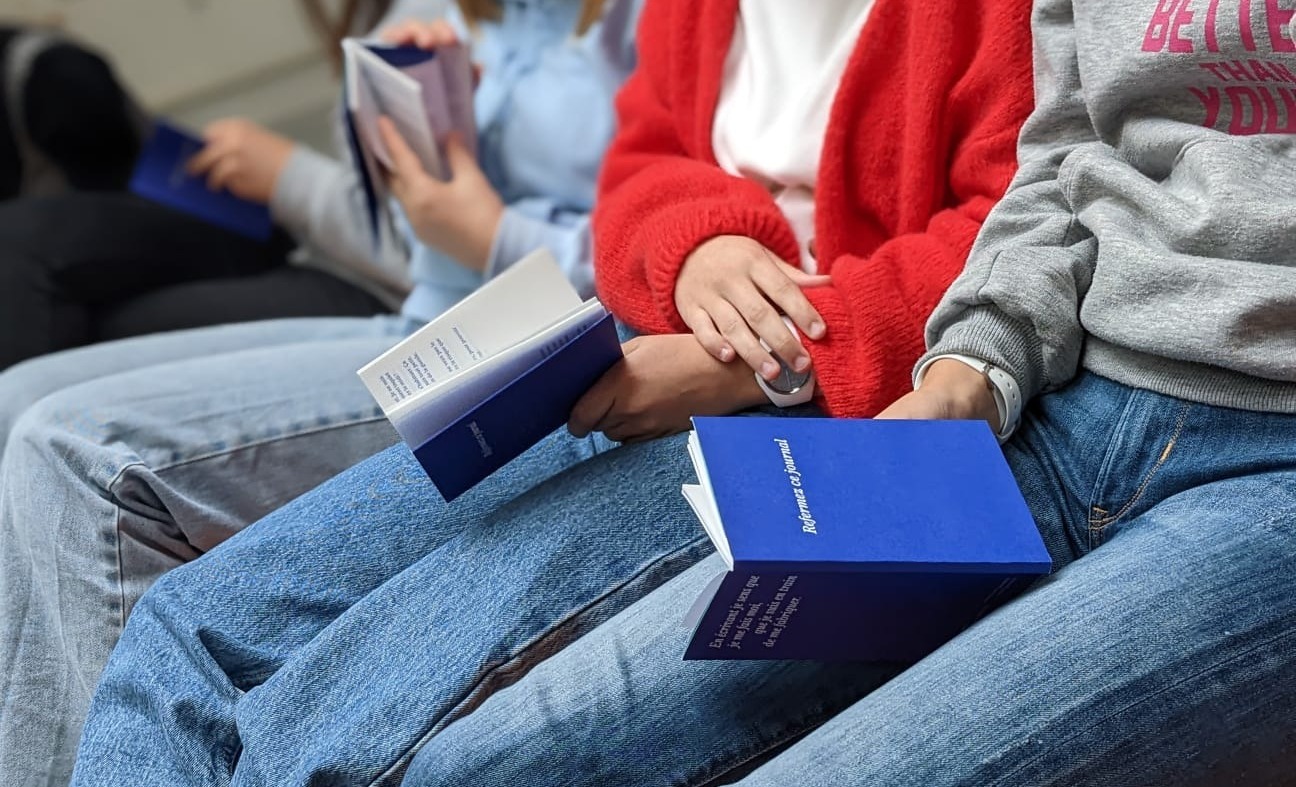
Publishing books (Refermez ce journal),
records (Le Monde à l’Intérieur),
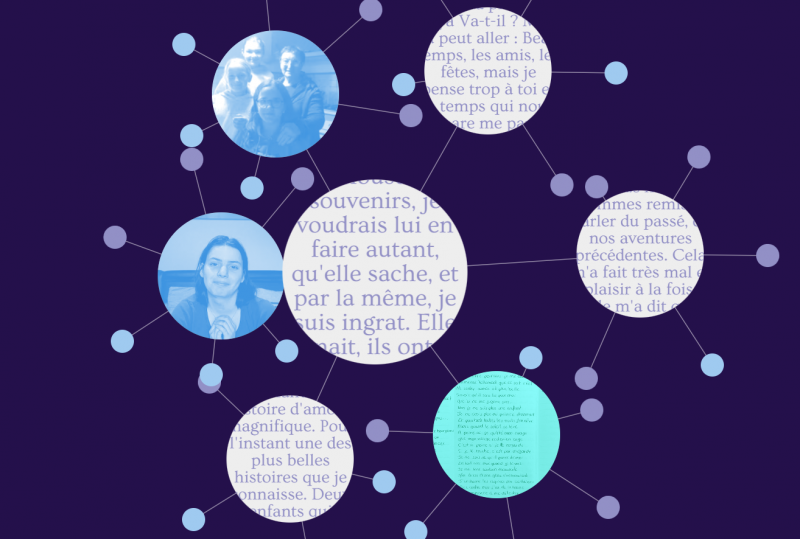
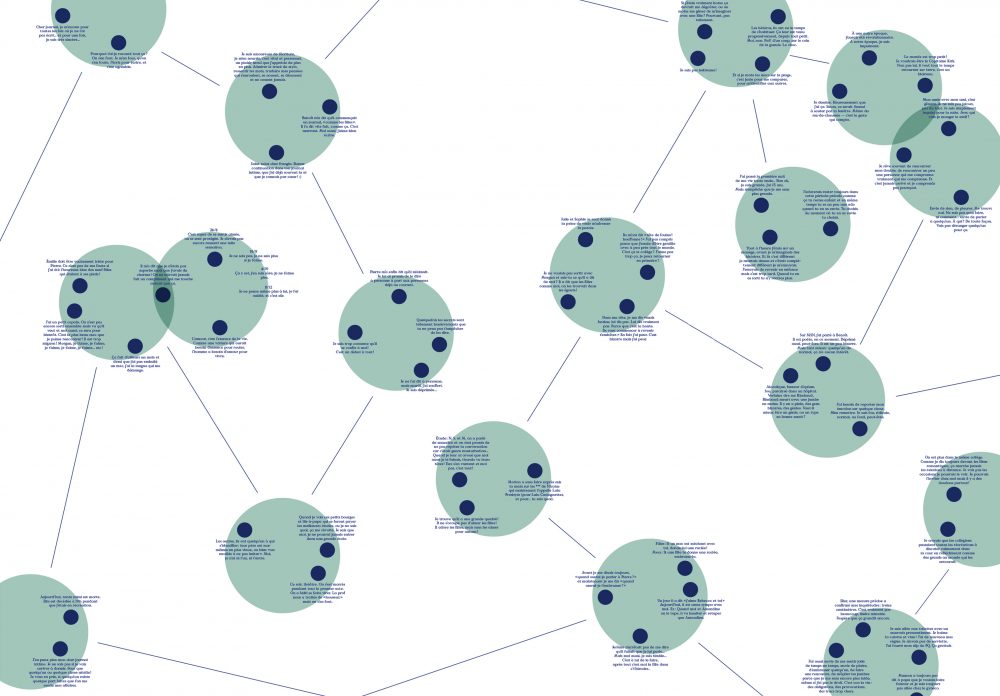
creating a web-documentary site (devenir-ciebandepassante.fr),
field collections (Il était une fois dans l’Est),
and participatory creations led in middle schools, high schools, retirement homes, community centers, etc.: it is a truly continuous creative process to which we have committed ourselves.
Beyond this vast material, genuine expertise has been developed over recent years of working with teenagers, as well as with adults for whom this period of life remains a sensitive topic (sometimes even into old age).
This intergenerational work can take the form of interviews with local residents conducted by young people: portraying not only the people, but also the places and the tangible and intangible heritage, across time.
In pictures
Voici la traduction de cette nouvelle section, en conservant avec précision vos balises HTML et le vocabulaire propre aux arts de la scène :
New explorations with Comics and Music led by Tommy Laszlo and Thomas Guiral
Since 2023, La Bande Passante has been developing a new creation cycle based on the intersection of comics and music.
Led by Tommy Laszlo and Thomas Guiral, this cycle explores how these two languages — drawing and sound — can intertwine on stage to produce new narratives.
Graphic storytelling, musical compositions, image manipulation, and drawn or sung voices: the stage becomes a living editing space where we read, listen, trace, and perform.
This gesture begins with Il était une fois dans l’Est, a participatory creation carried out in the Cœur du Pays Haut region and located at the crossroads of the Devenir(s) cycle and this new Comics & Music cycle.
Based on stories collected from local residents, Étienne Gendrin drew a series of sensitive portraits distributed as illustrated cards connected to sound capsules created by middle school students.
In parallel, Tommy Laszlo and Thomas Guiral traveled the landscapes of the Grand Est region with a camera and a guitar, capturing places, voices, and rhythms to compose a sensitive, visual, and musical cartography of the territory.
This project laid the foundations for a documentary approach where the comic book becomes a listening surface, and music, a vector of shared memory.
It continues with the Folk Clubs, lightweight and flexible formats that take the form of drawn musical lectures.
Each Folk Club is a narrative concert, where live songs dialogue with projected images, visual manipulations, and musical stories.
It is a way of making the popular history of a musical genre heard while showing it, pencil in hand.
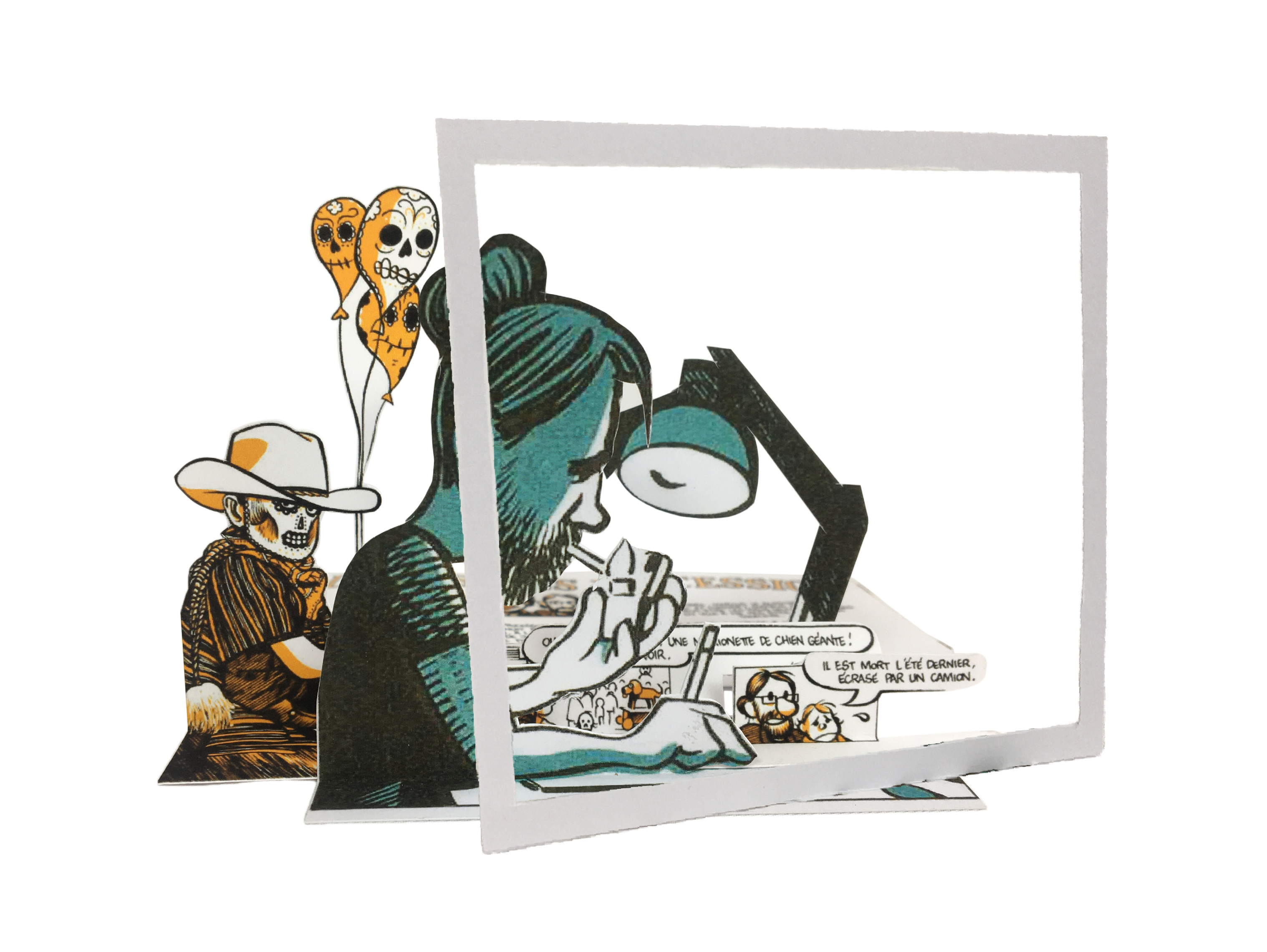
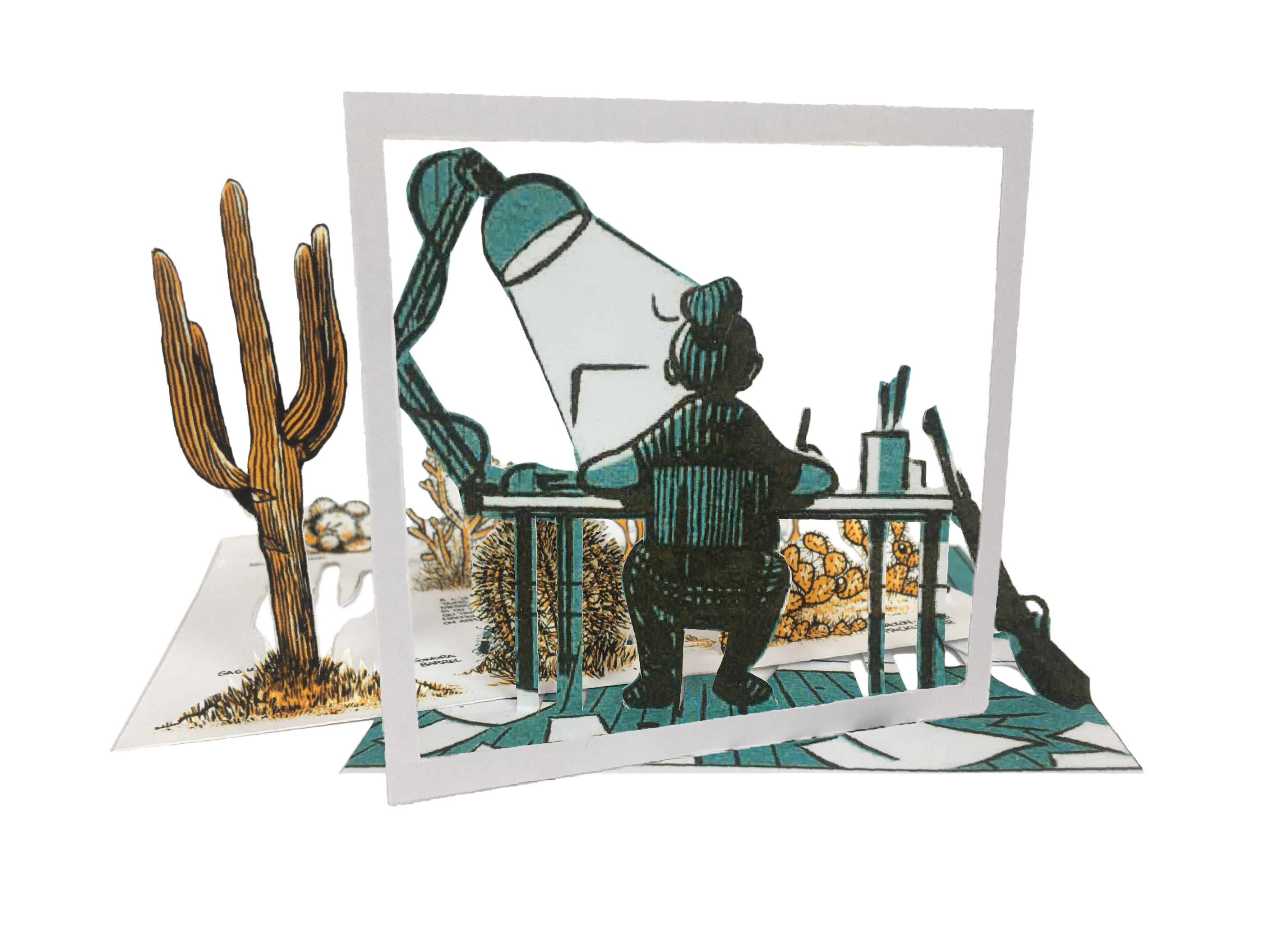
Finally, Lost in Arizona extends this research through a four-handed autofictional drawn narrative.
Stemming from a double artistic failure in Arizona, two authors draw an intertwined fiction for each other, where the real desert and a fantasized western overlap.
On stage, the comic is written live, images are projected and set in motion, and the music accompanies the paths of a narrative reconstructed in plain sight.
This cycle is intended to be enriched with new projects, new adapted or co-written comics, and new dialogues between sound and drawing.
It opens a path where the visual score and the musical composition are no longer separated, but are written together, within the same hybrid stage form.
In pictures
Voici la traduction de cette dernière section, toujours en conservant rigoureusement vos balises HTML et le registre sémantique du théâtre contemporain :
Justice, legacies and the social body: a new documentary cycle led by Thomas Gourdy
Since 2023, a new research cycle has begun within La Bande Passante, led by Thomas Gourdy.
It questions the links between justice, institutions, family memory, and collective narrative, extending the company’s documentary gesture towards a more social territory:
that of trials, police archives, transmitted silences, and bodies traversed by power.
The starting point is intimate: the son, grandson, and great-grandson of Parisian police officers, Thomas Gourdy knows very little about the history of these men.
Silence then becomes a driving force: not to fill a void, but to bring forth its collective dimension — an institutional memory, an inherited verticality, a question of commitment.
Two forms have emerged from this:
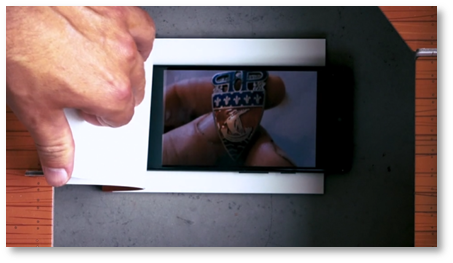
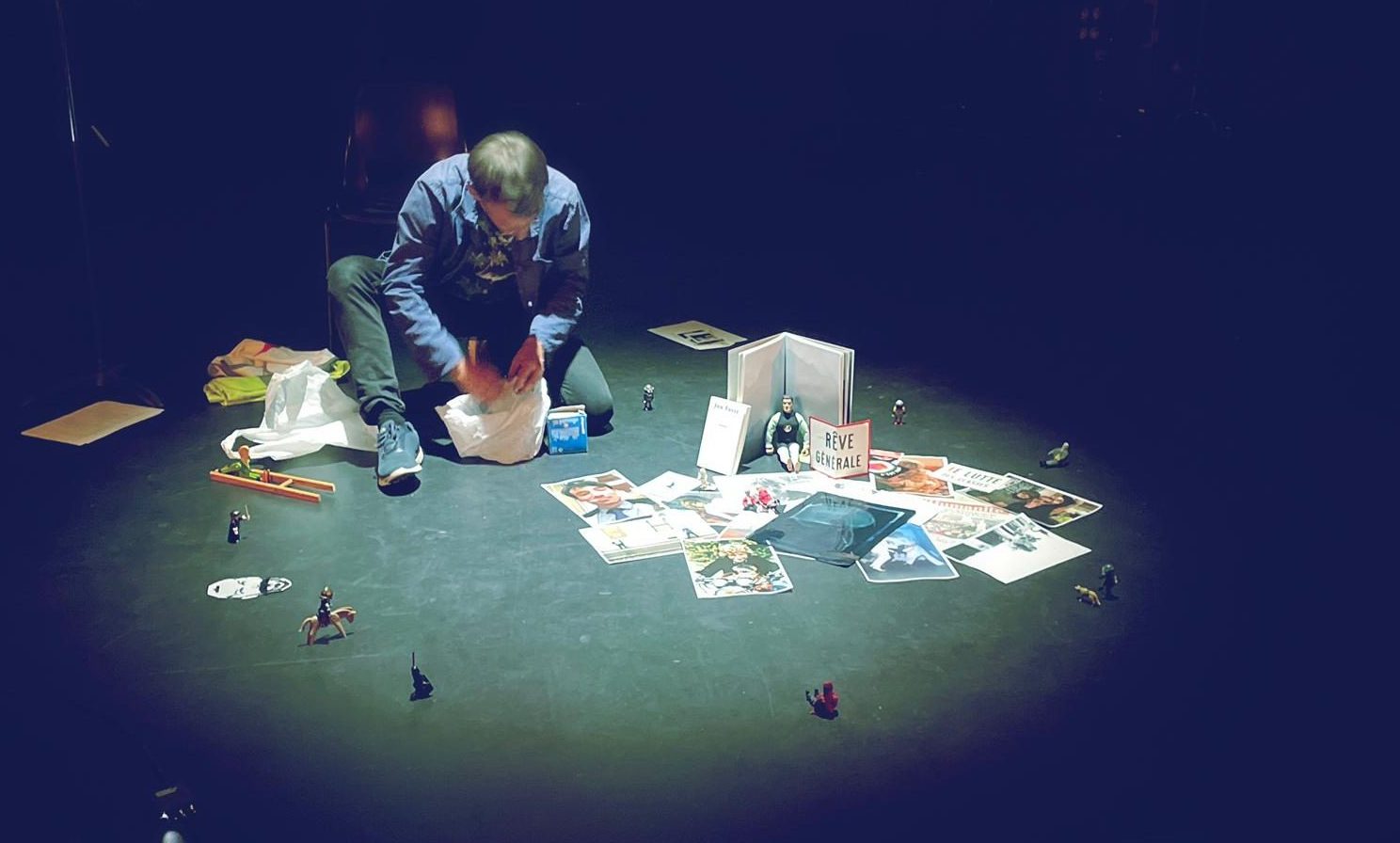
Mock Trial, a participatory stage workshop exploring the mechanisms of judgment, and
Force Bleus, an ongoing documentary creation blending sound objects, archives, and personal narrative.
Here, the stage becomes a space of friction between family history and social responsibility.
This cycle extends the company’s gesture: making traces speak, giving substance to the shadows, and building a narrative space where what affects us can circulate.
It will continue in other formats and across other territories, in collaboration with social, educational, or judicial partners.
In pictures
Partners of La Bande Passante
National Stages and Certified Centers
Le TANDEM – Scène nationale de Douai/Arras
Le Mouffetard – Centre national de la marionnette, Paris
Le Sablier – Centre national de la marionnette, Ifs–Dives-sur-Mer
L’Espace Jéliote – Centre national de la marionnette, Oloron-Sainte-Marie
Le Théâtre de Laval – Centre national de la marionnette
Le Carreau – Scène nationale de Forbach et de l’Est mosellan
Le CCAM – Scène nationale de Vandœuvre-lès-Nancy
Le Centre dramatique national de l’Océan Indien – Saint-Denis de La Réunion
FACM / PIVO – Scène conventionnée du Val d’Oise
Scènes et Territoires – Scène conventionnée multisites Lorraine
L’Odyssée – Scène conventionnée de Périgueux
Cultural Institutions, Archives, and Museums
L’Arsenal – Cité musicale de Metz
Musée de la Cour d’Or – Metz Métropole
Musées de Sarreguemines – Musée de la Faïence
Archives industrielles départementales de Saint-Avold
Service des Archives de la Ville de Bruxelles – Maison du Roi
Ville de Metz – Service culturel
Conseils départementaux de Moselle et de Meurthe-et-Moselle
Fonds Érasme pour la recherche médicale de Bruxelles
Festival MarionNEttes – Neuchâtel (CH)
Moselle Arts Vivants
Agence culturelle Grand Est
Partenaires de projets participatifs et territoriaux
Espace Jéliote – Oloron-Sainte-Marie (pour Devenir(s))
Lycées, collèges et EHPAD de Vandœuvre, Forbach, Périgueux, Oloron, Monein…
Tram-E – Oloron-Sainte-Marie
La KuFa – Kulturfabrik, Esch-sur-Alzette (LU)
Le Musée Olympique Lausanne (partenaire initial Le Stade)
Institutional Support
The company is conventioned by:
– la Région Grand Est
– le Département de la Moselle
– la Ville de Metz
It has also received support from:
– le Conseil départemental de Meurthe-et-Moselle
– la Ville de Nancy
– ARTCENA – Centre national des arts du cirque, de la rue et du théâtre
– le DICRéAM – Dispositif pour la création artistique multimédia (CNC)
– l’ONDA – Office national de diffusion artistique
– l’Agence culturelle Grand Est